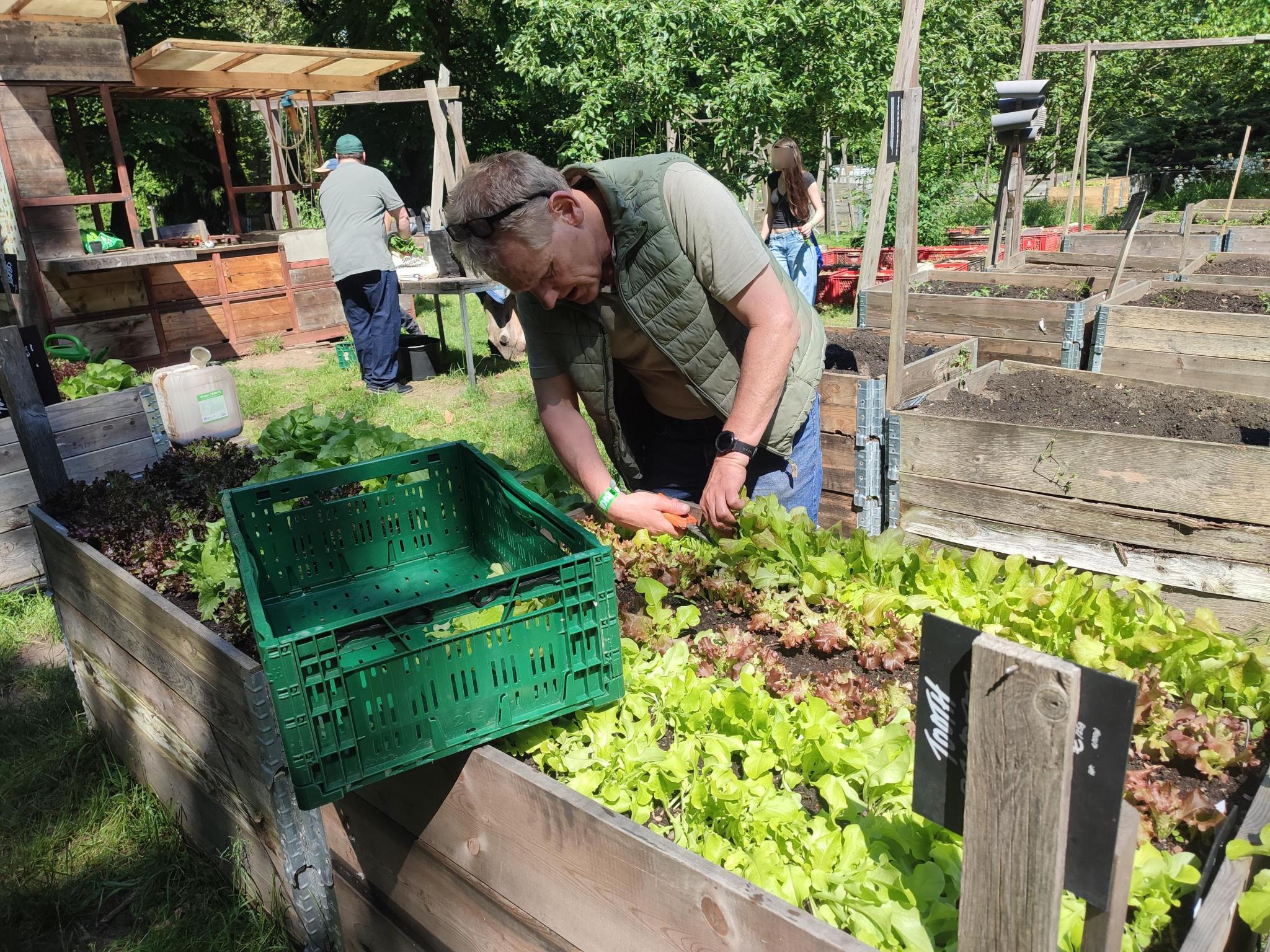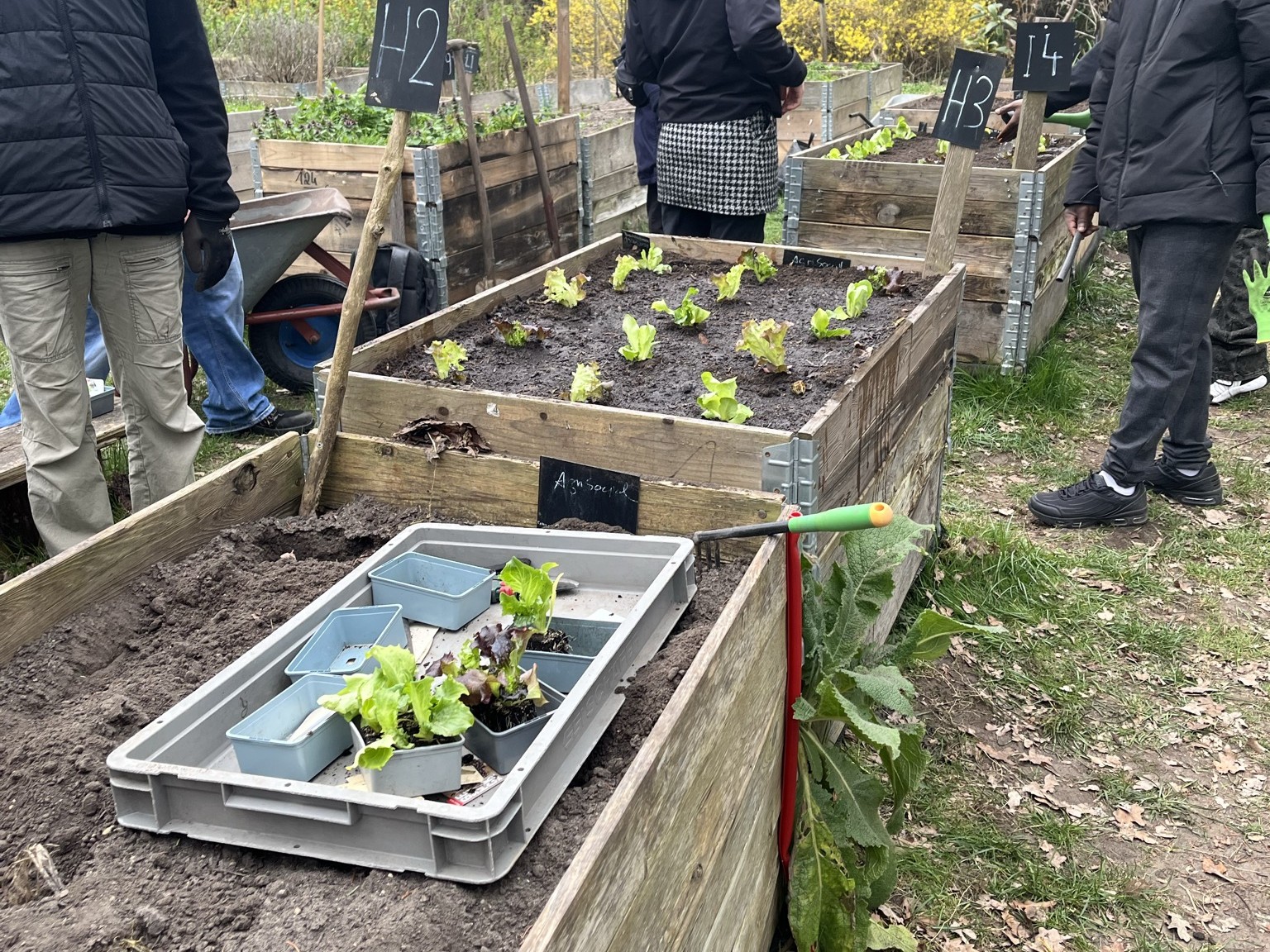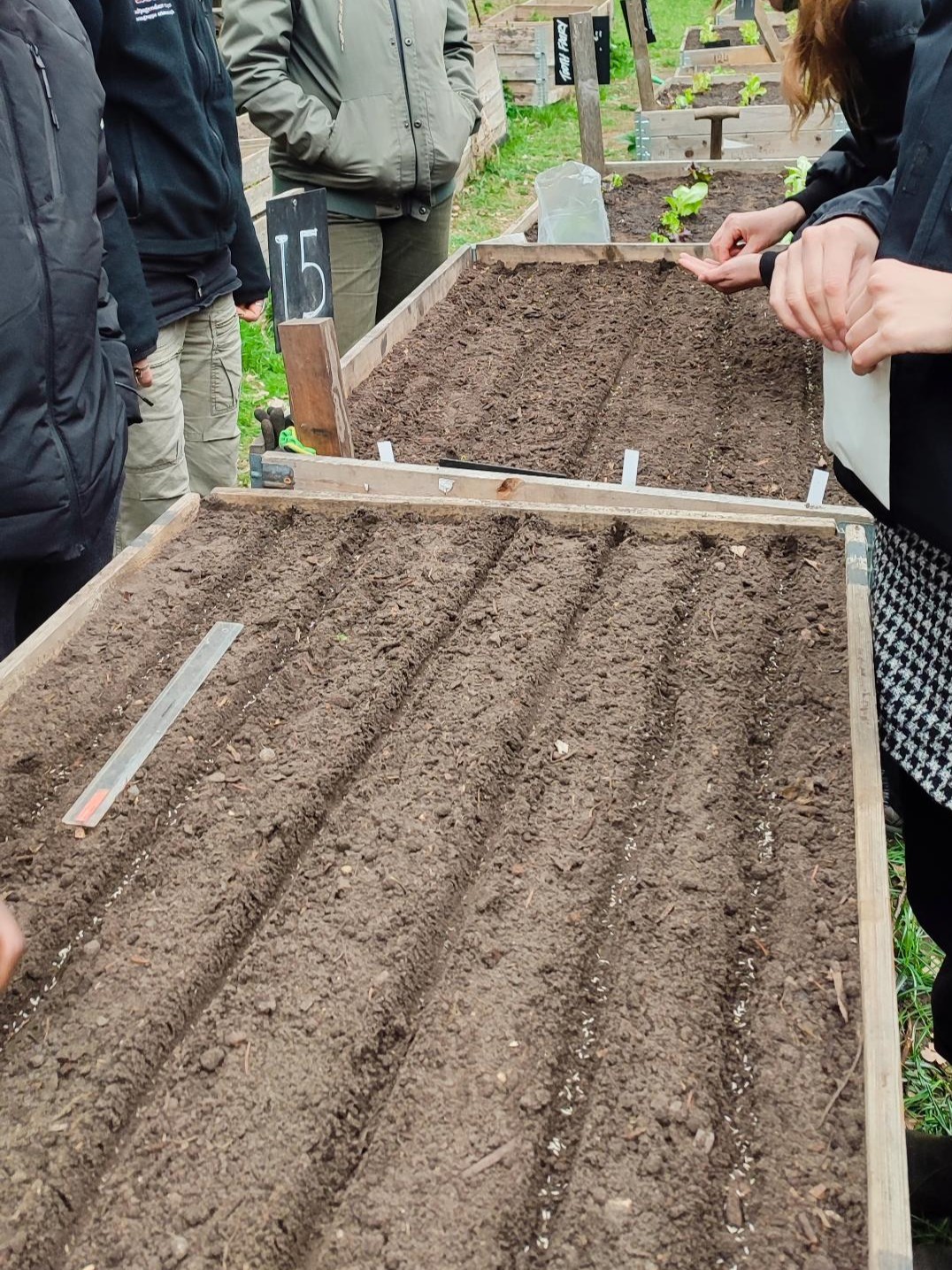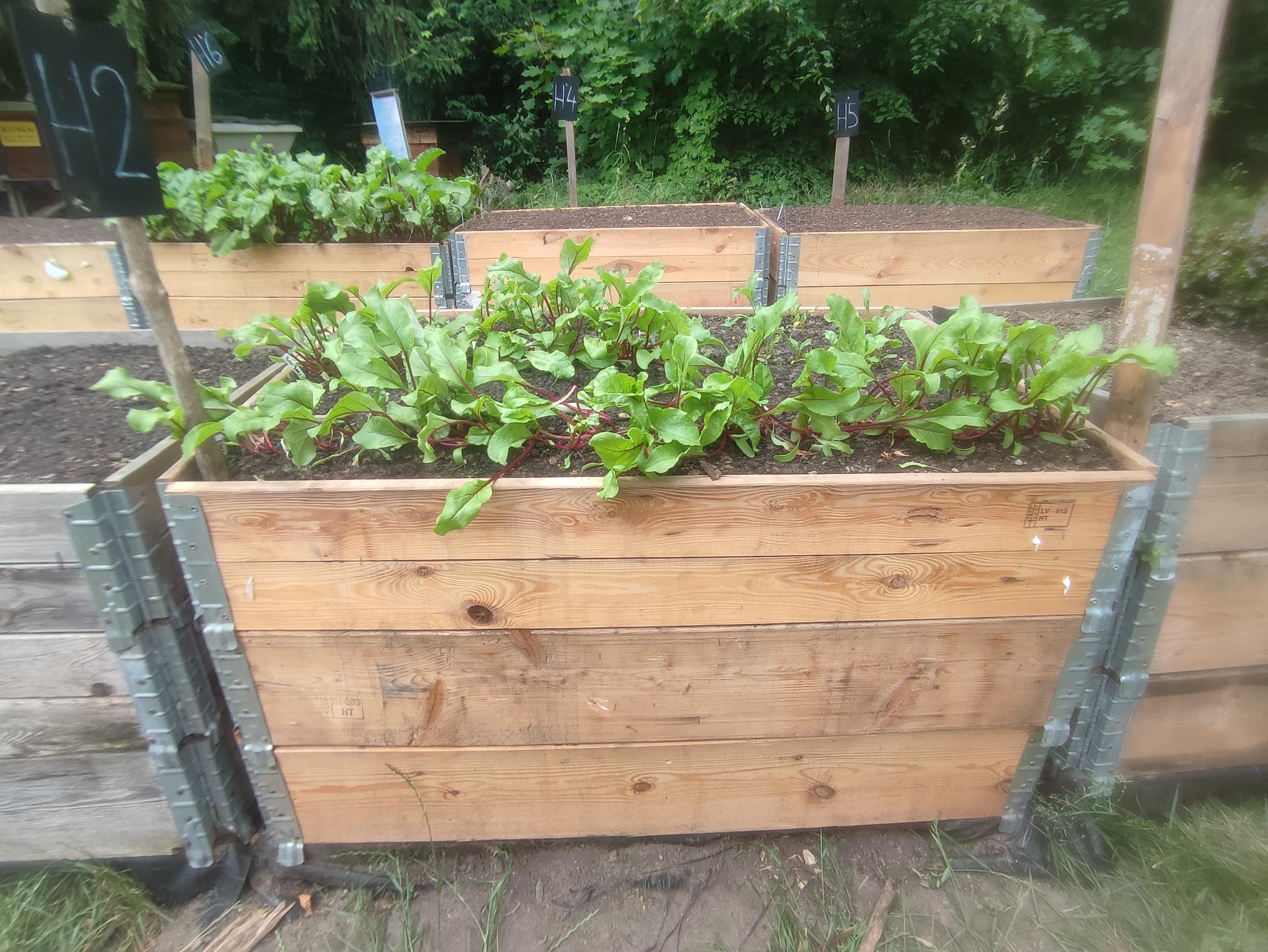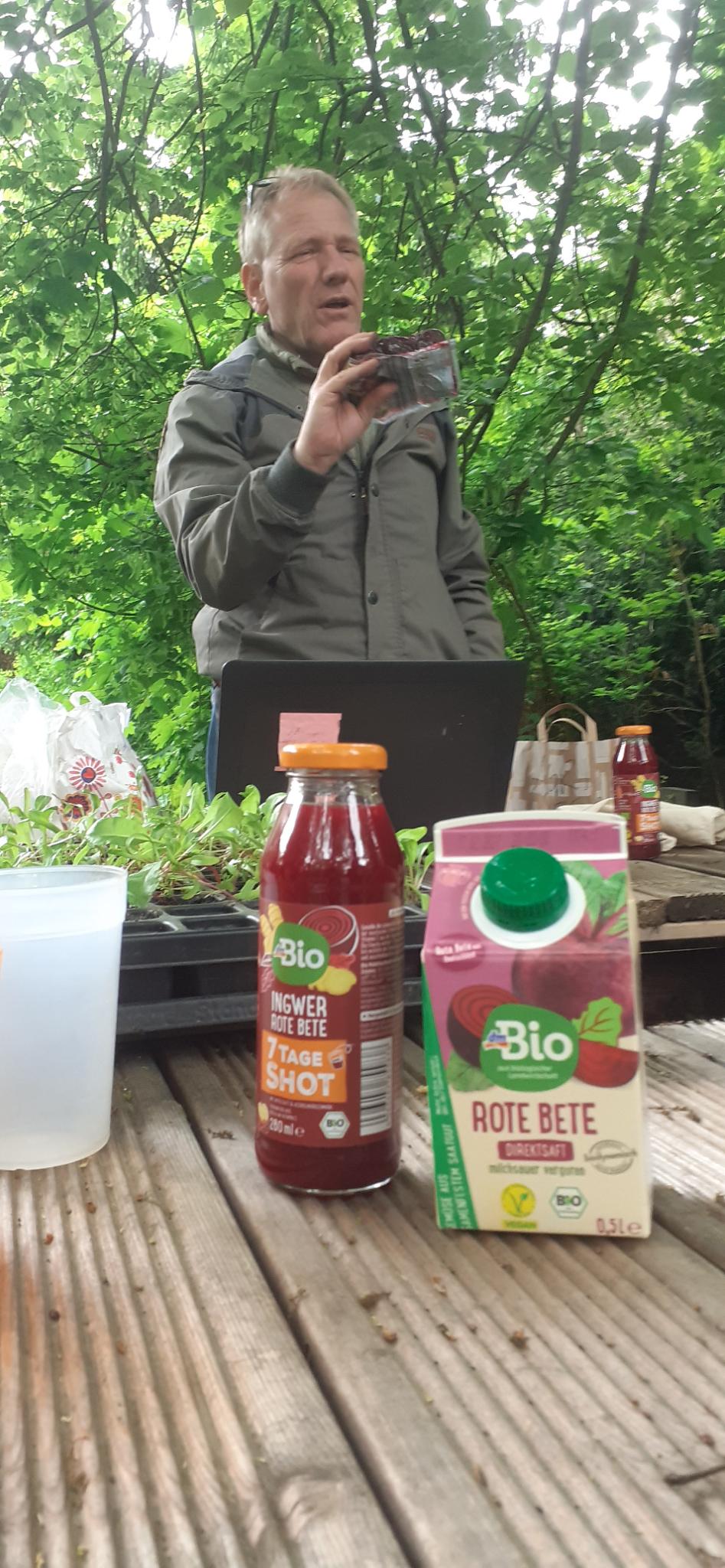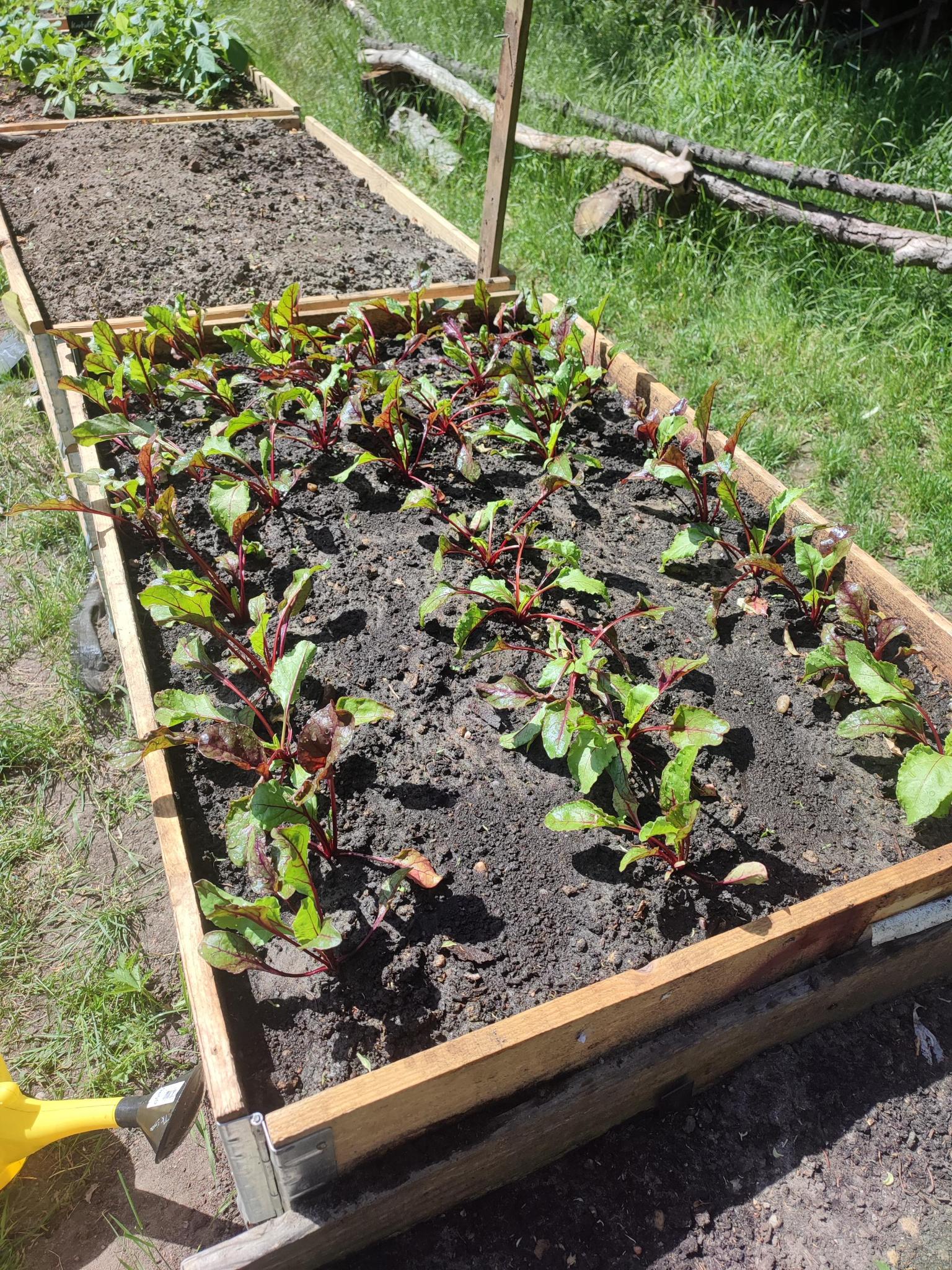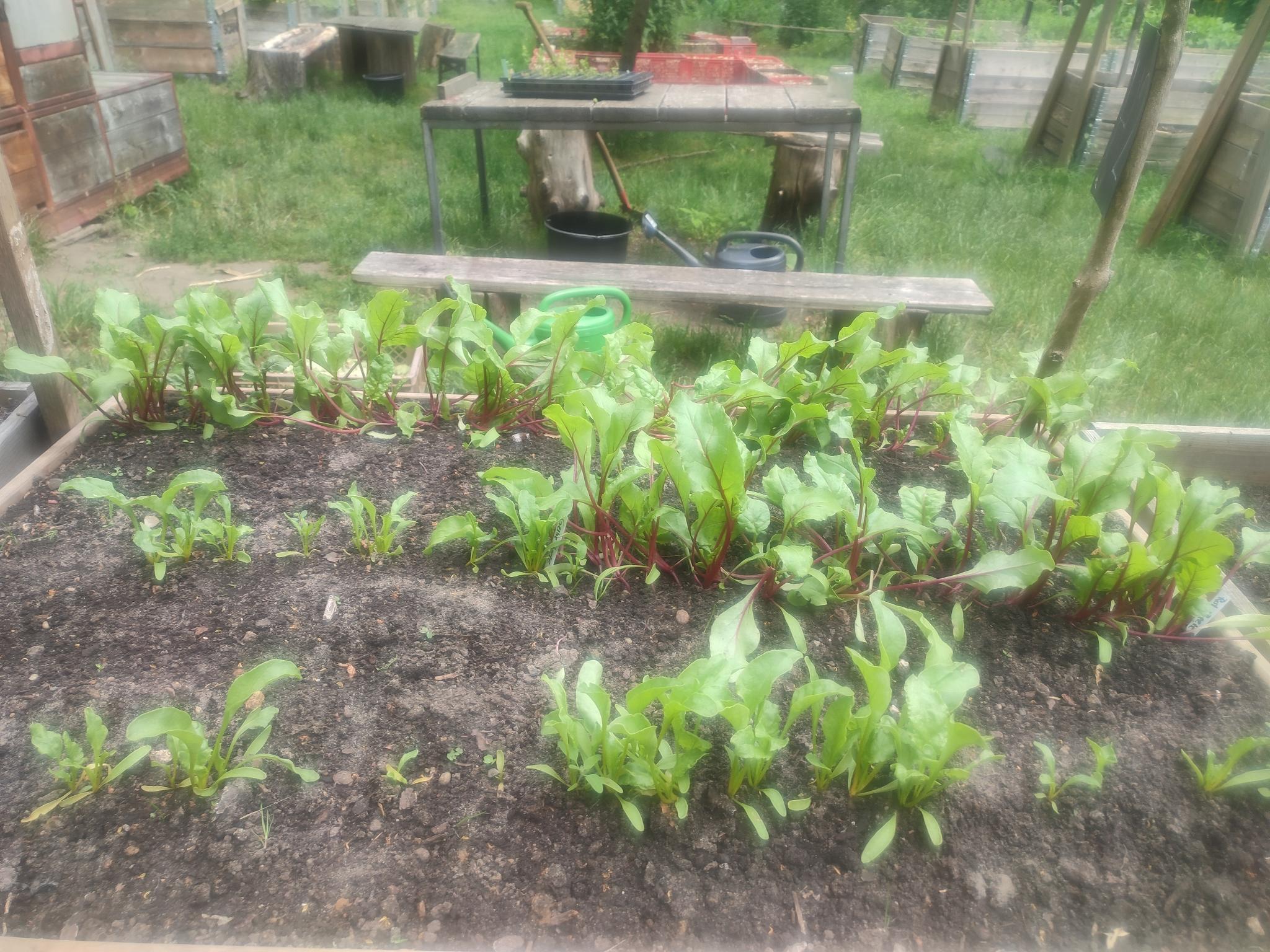
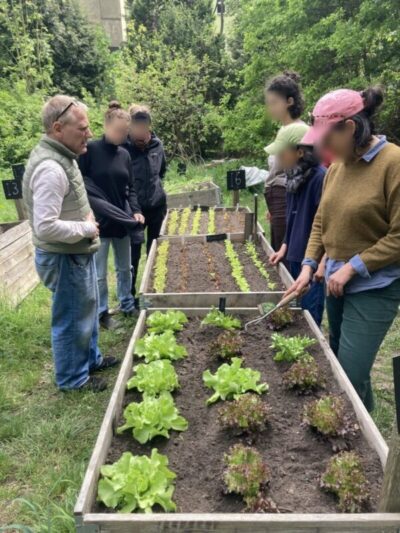
This spring I have the pleasure of working with a dozen or so Berliners to explore urban farming as a profession and opportunity for entrepreneurship. The project is part of an EU-funded Erasmus Plus partnership made up of universities from 3 different countries and the small nonprofit organization I work for, the Prinzessinnengarten Kollektiv Berlin.
Developing various online teaching modules as well as hands-on field seminars in vegetable production has been a wonderful throw-back for me to earlier periods in the United States and in France when I was often teaching small-scale organic farming, market gardening and permaculture.
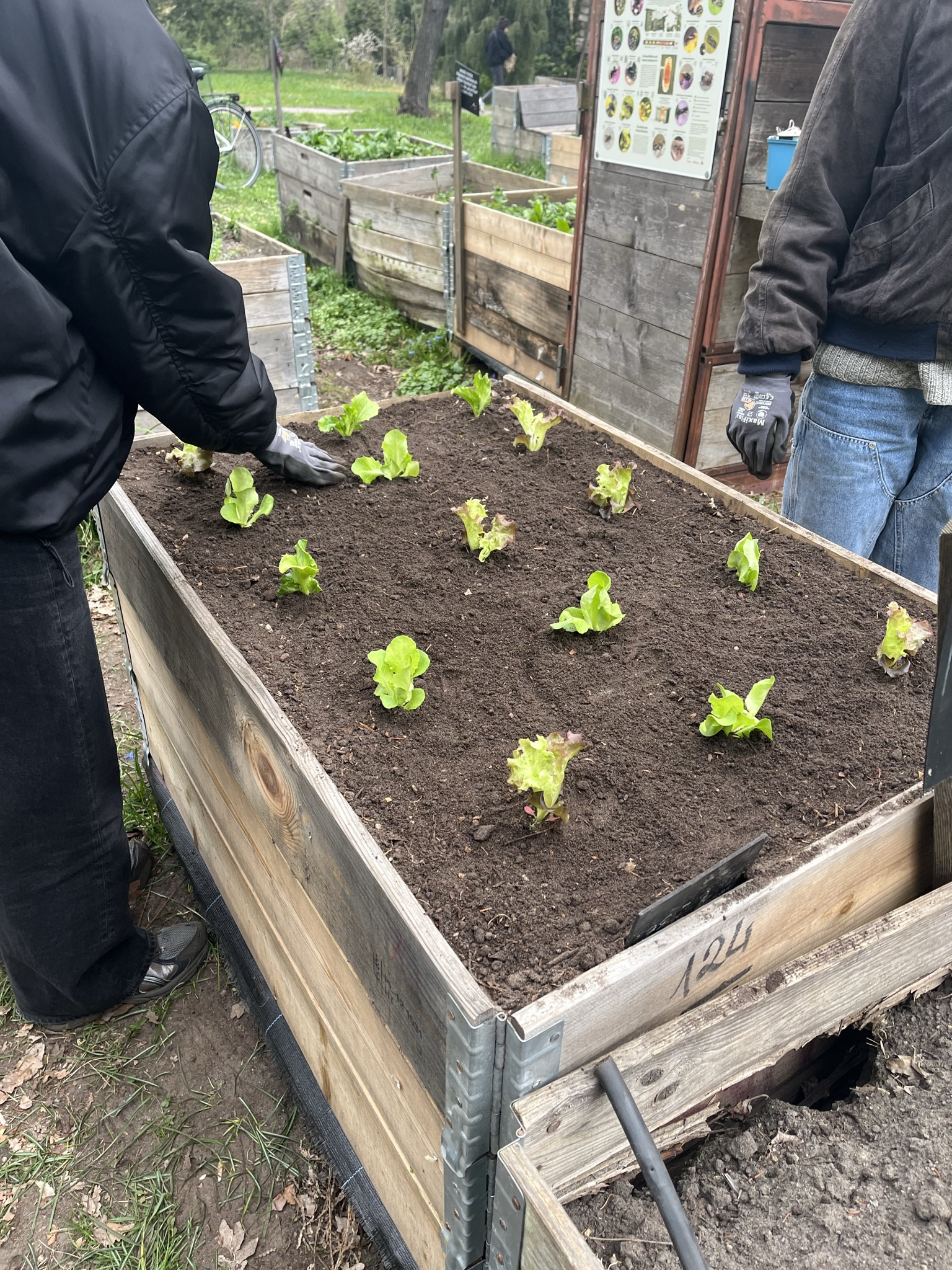
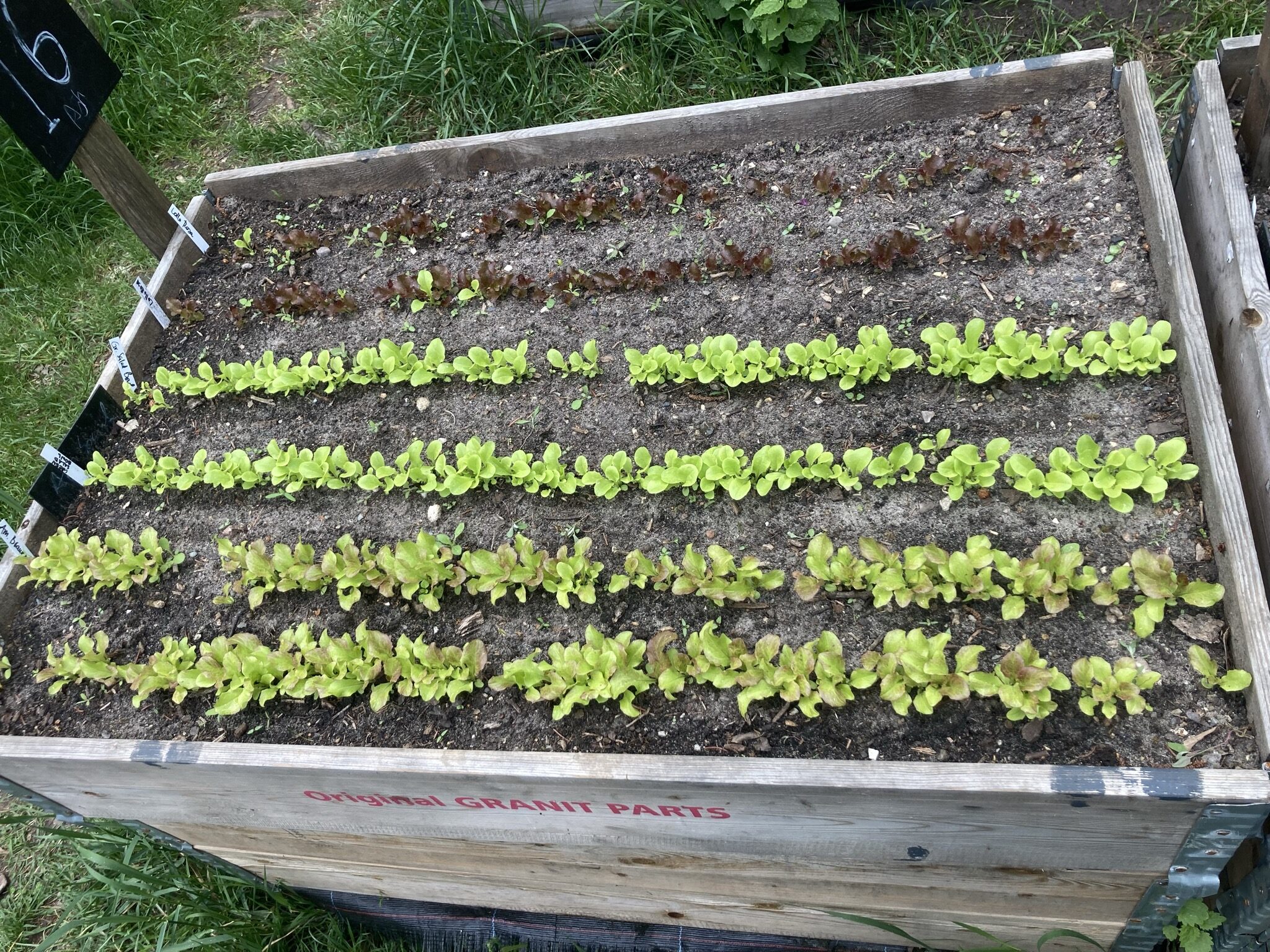
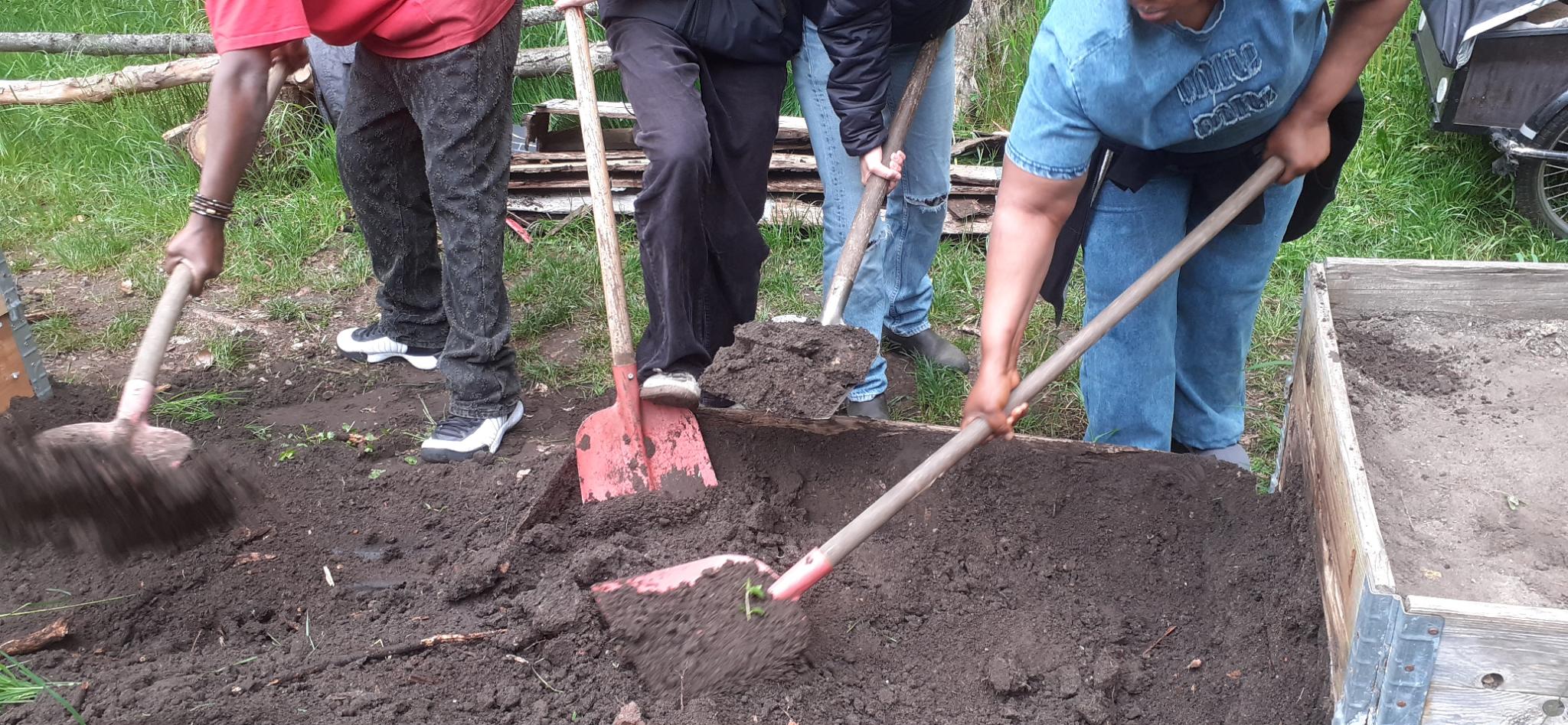
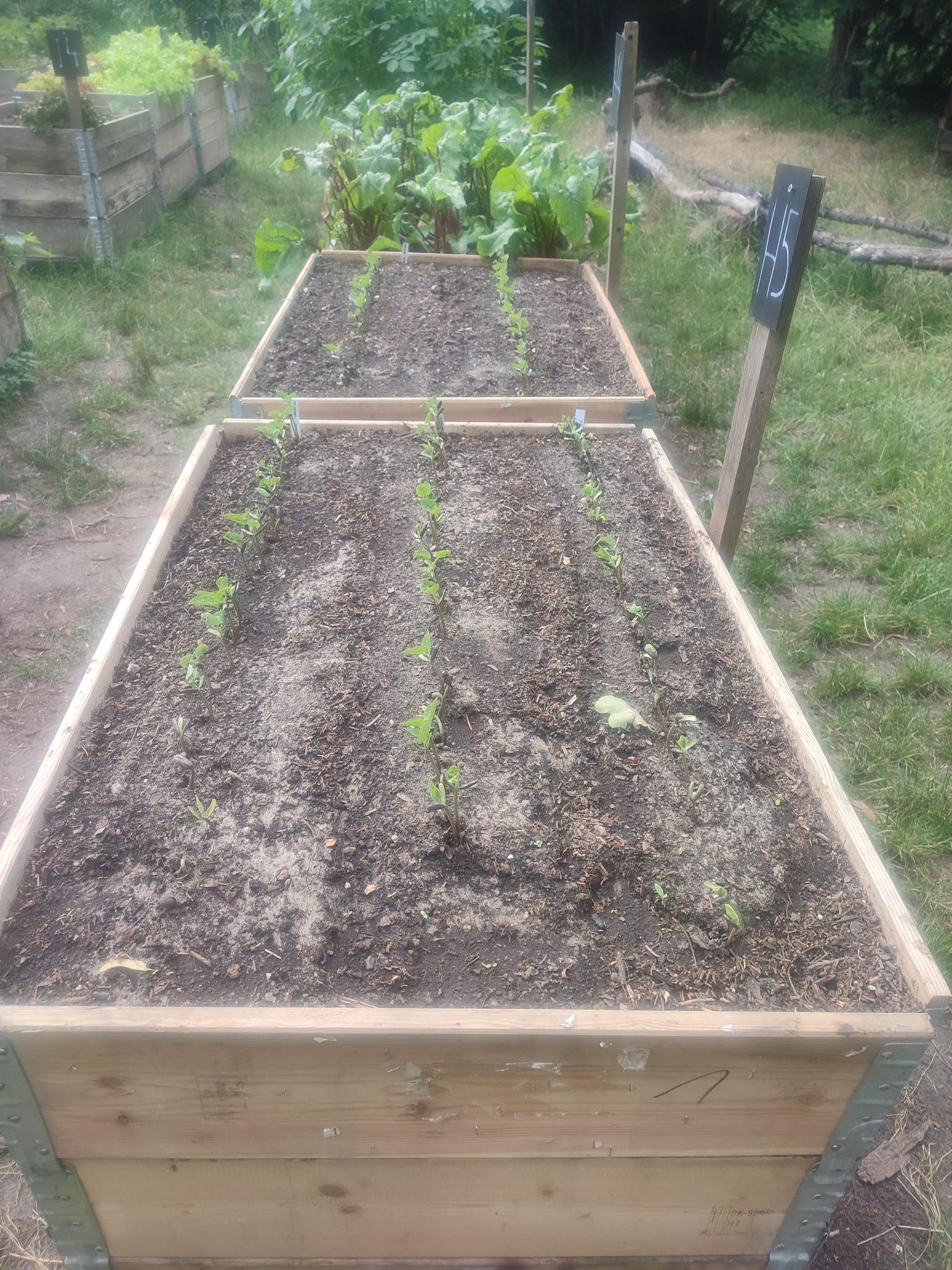
Here at Prinzessinnengarten, program participants have the opportunity to observe and take part in vegetable production in raised beds as well as in the ground on our micro farm. Both are located on decommissioned portions of a cemetery in Berlin’s Neukölln neighborhood.
This teaching experience has reminded me of something I first discovered many years ago on my first farm in Missouri, USA, namely that small-scale organic farming is one of the most challenging but also rewarding professions out there. It makes full use of all our mental and physical faculties. As a farmer I was a naturalist, soil scientist, botanist, ecologist, engineer, laborer, carpenter, plumber, electrician, business person, computer programmer, marketing expert, web designer and more, sometimes all in one day. And through it all I am deeply and meaningfully connected to the Earth and the whole web of life.
During what was probably the first farming conference I ever attended — the National Small Farm Trade Show & Conference in Columbia, MO in 1999 — I recall listening to a very moving keynote address given by Johh Ikerd, professor emeritus of agricultural economics at the University of Missouri. In his address, Mr. Ikerd presented the strong economic and ecological case for small-scale v. industrial agriculture and reminded us that small-scale farming generates a kind of lifestyle dividend no less valuable than the monetary income it provides.
This dividend could include various quality-of-life benefits such as
- aligning work with personal values,
- autonomy,
- purpose,
- individual and environmental health,
- living and raising a family in a clean, biologically diverse ecosystem rather than a specialized industrial complex,
- fostering deep, reciprocal relationships with neighbors and local customers.
Importantly, this dividend, along with the many positive economic externalities1 realized by small-scale agriculture, should be included in a full accounting of a small-scale farm business. I remember feeling deeply inspired and grateful that day and full of anticipation about the new life as organic vegetable farmers my then-partner and I were about embark on.
These reflections and inspirations re-surfaced during the seminars here at Prinzessinnengarten. The proposition I heard in John Ikerd’s lecture 27 years ago still holds today, that small-scale (urban) agriculture can be an inspiring engine of, and a model for, societal transformation and ethical / spiritual realignment in an age of polycrisis. Grateful to still be part of this conversation with the next generation of farmers.
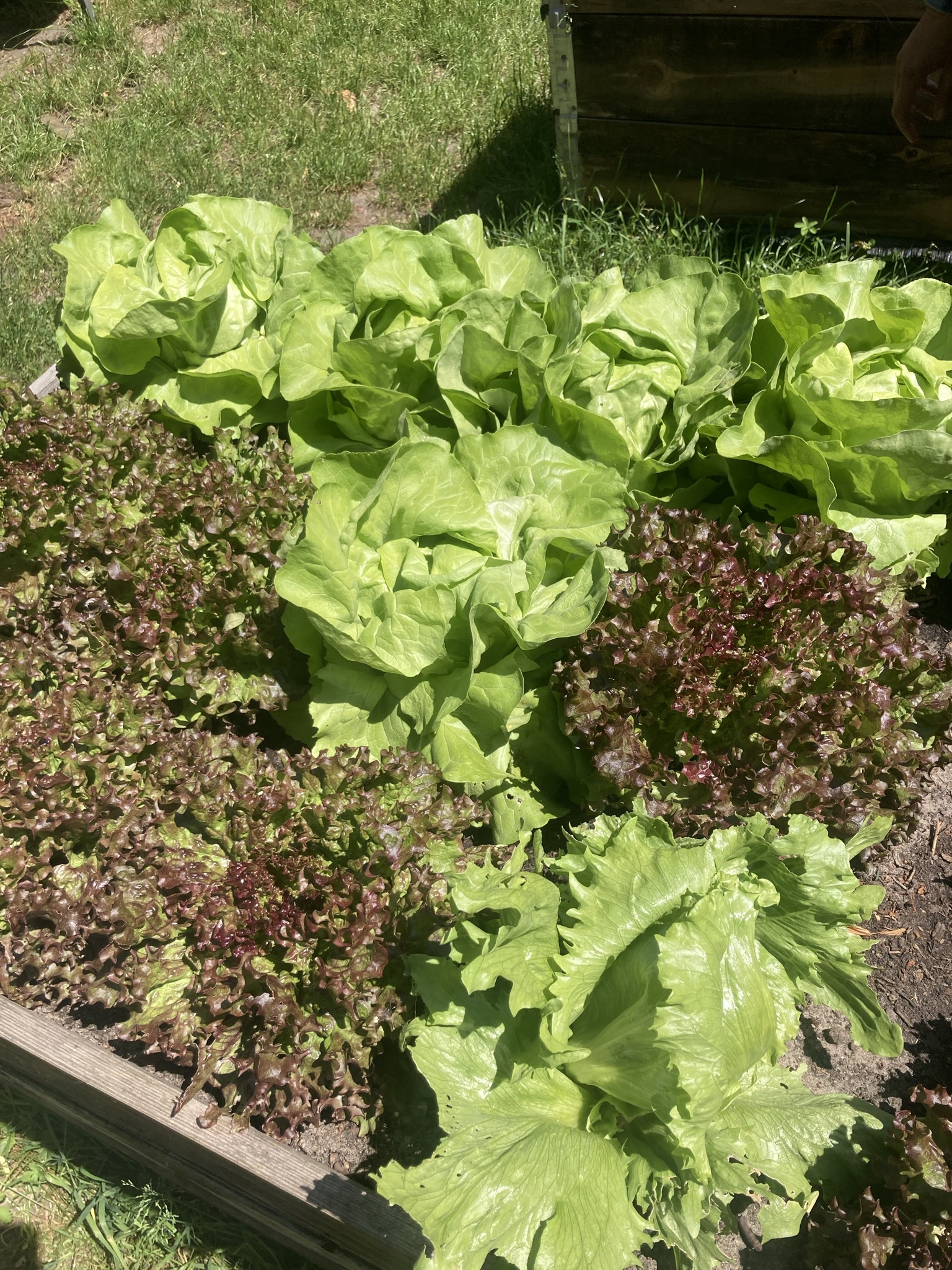
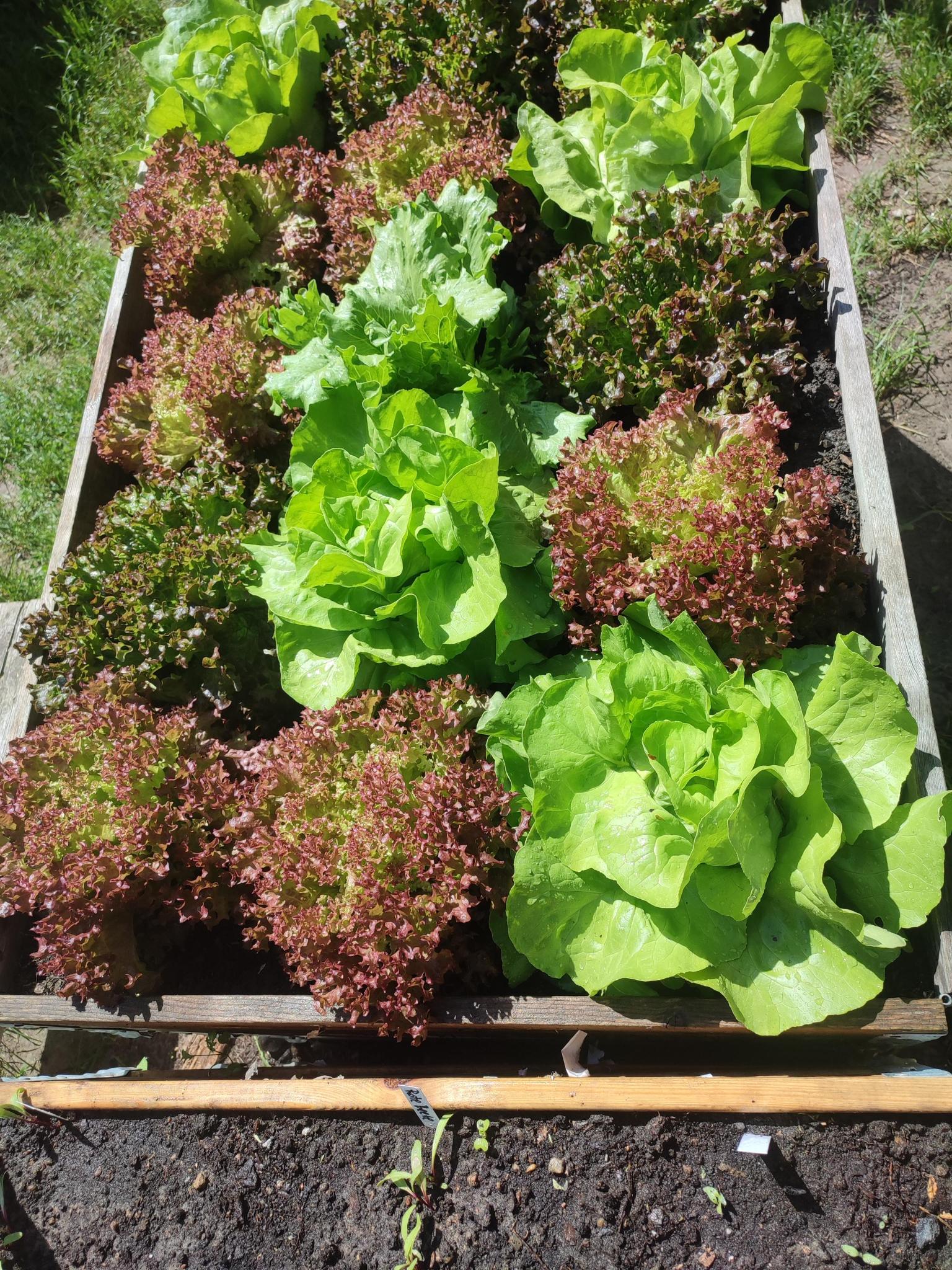
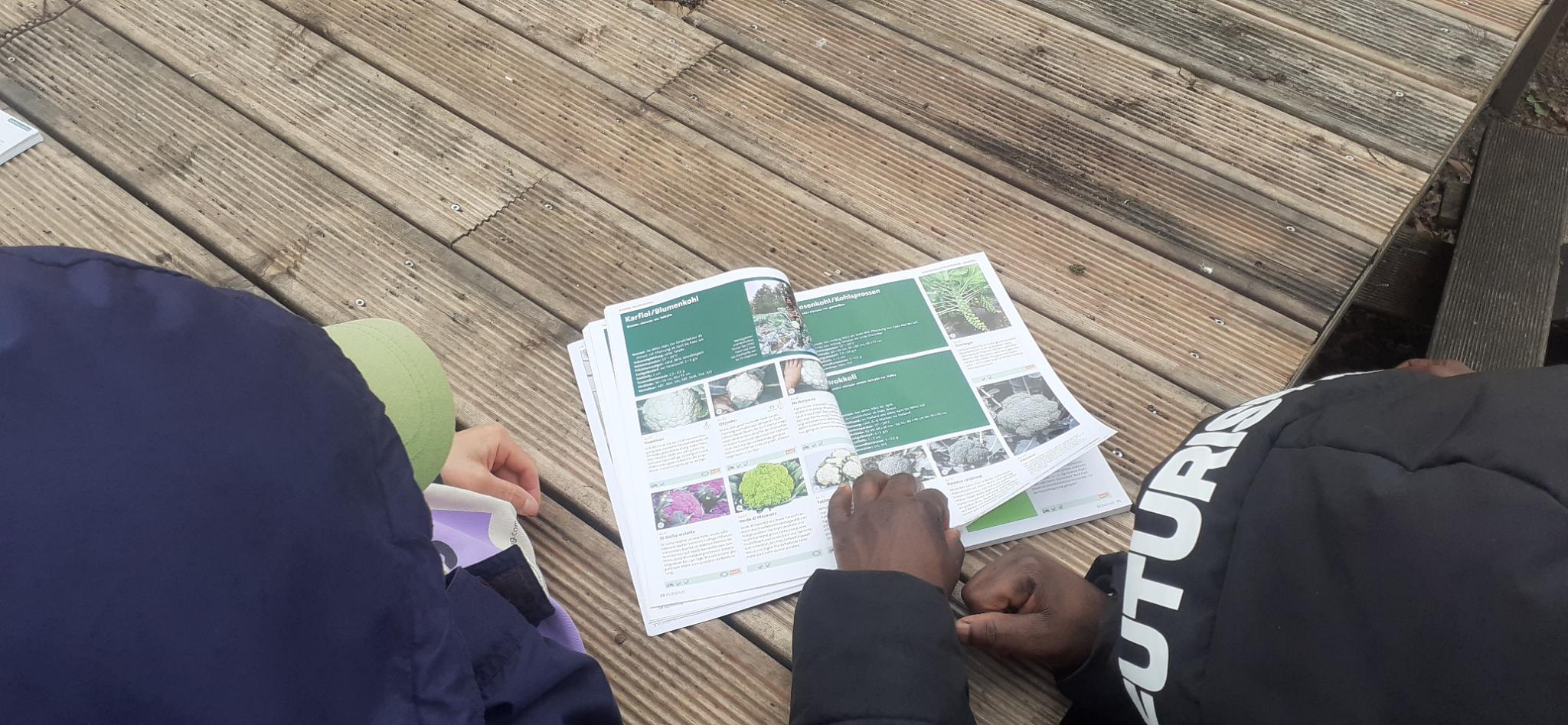
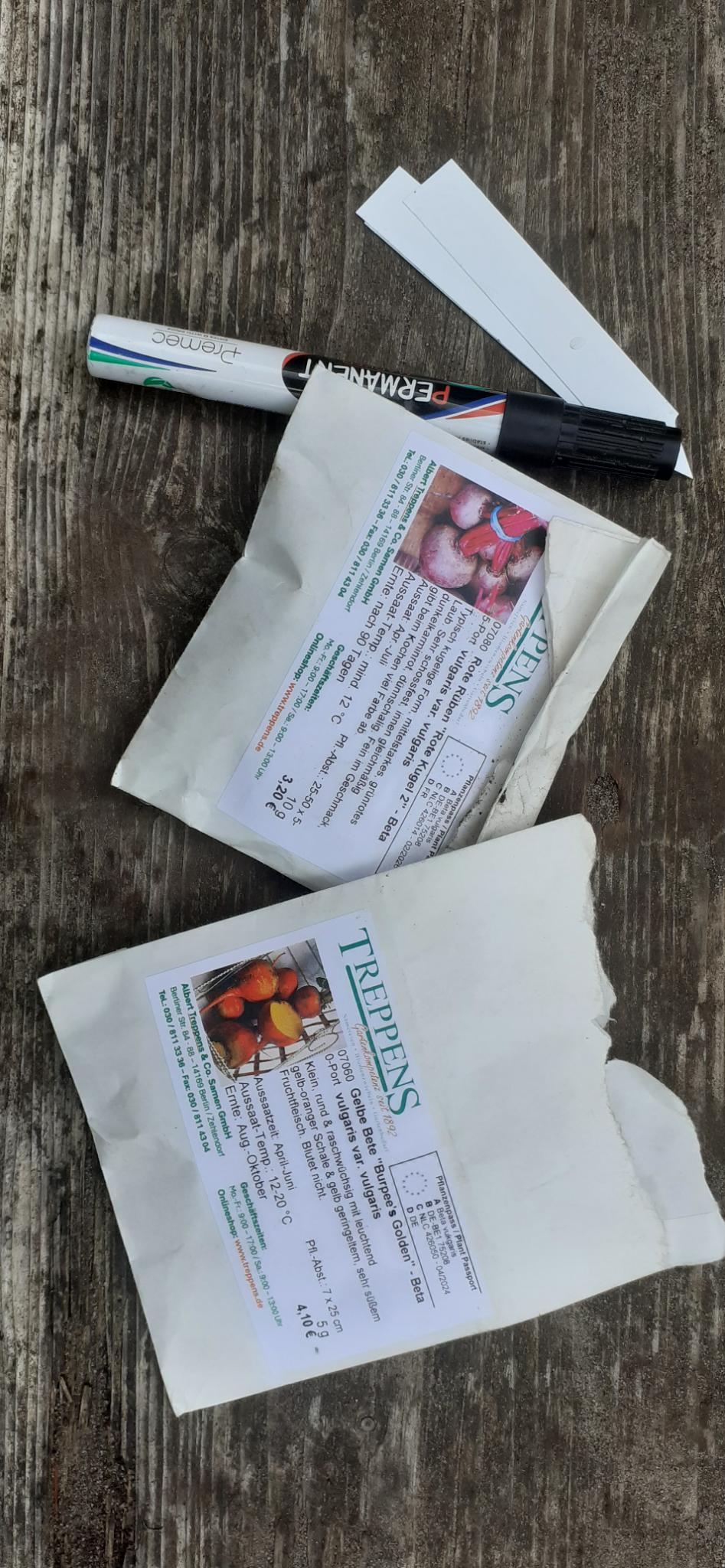
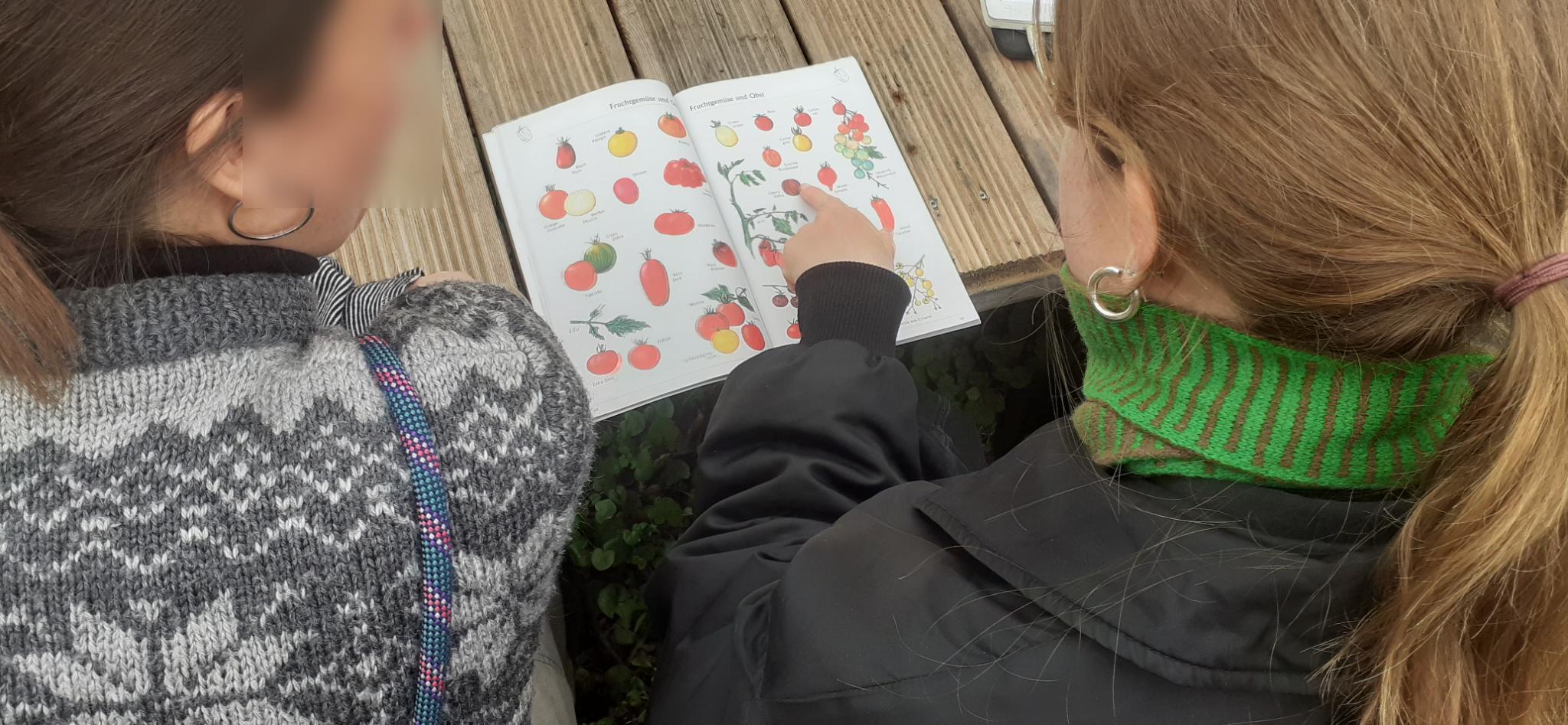
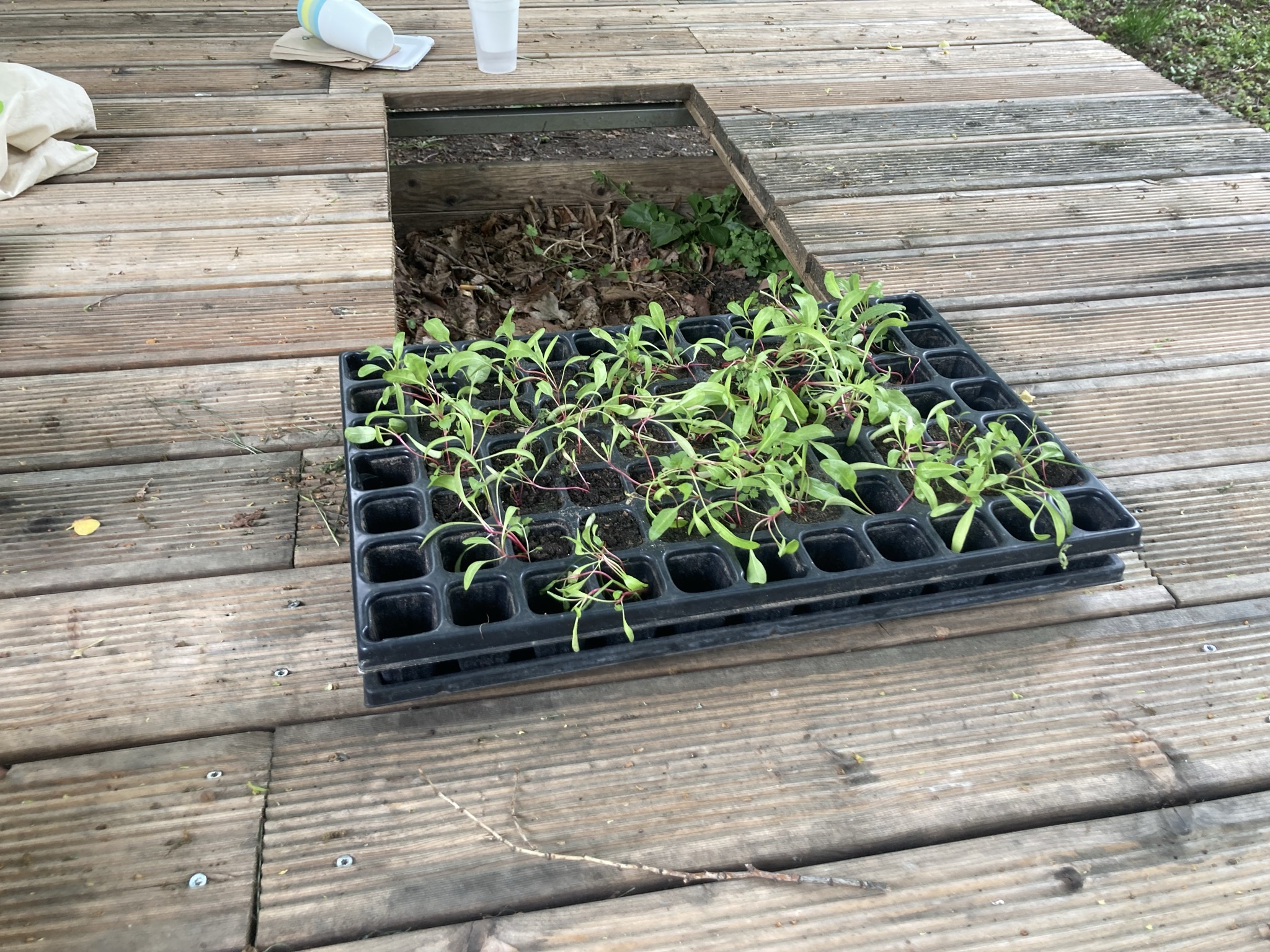
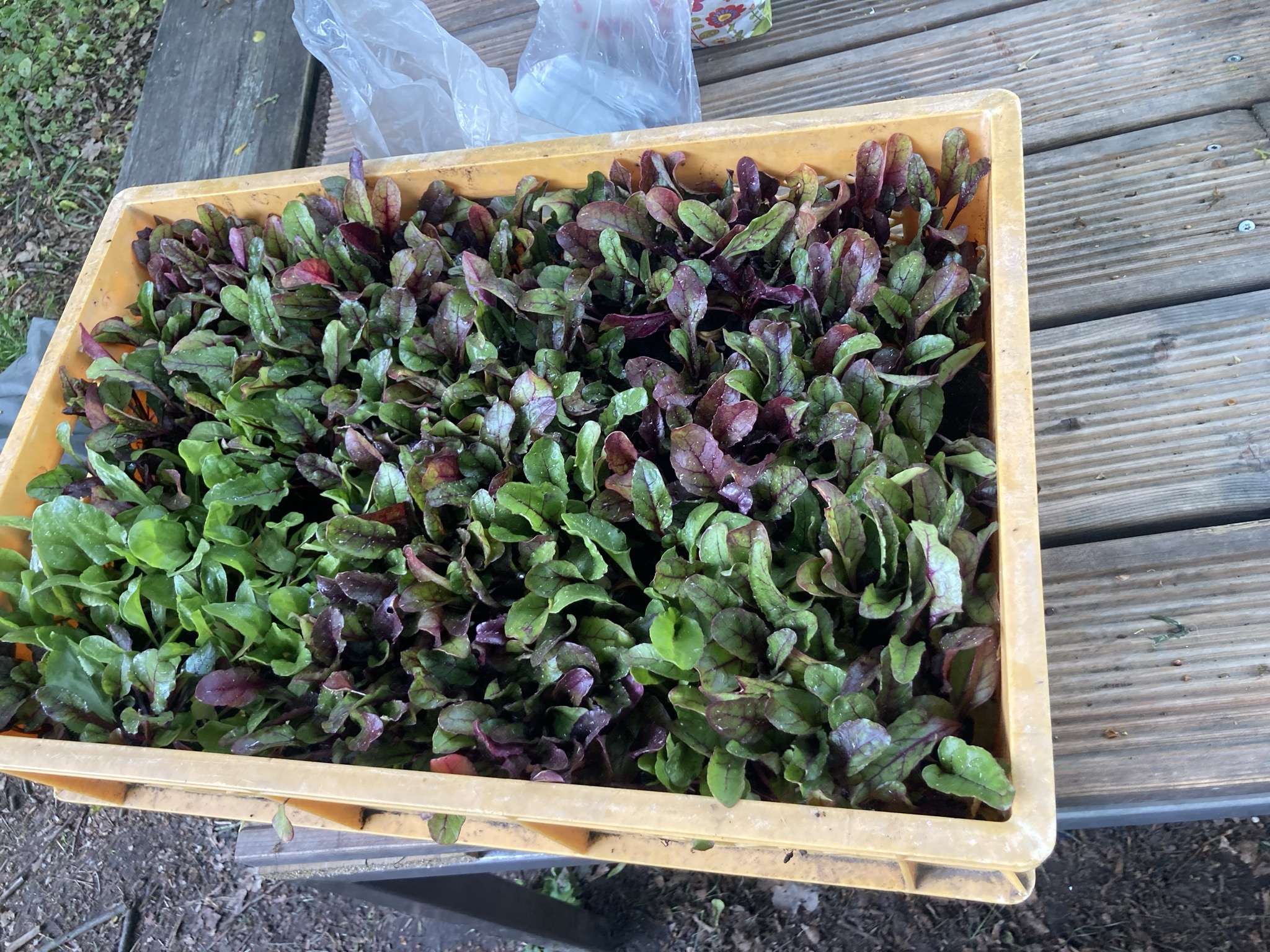
Below are some images of our time and work together. My gratitude goes to all participants, the project team here at Prinzessinnengarten and to the partner institutions abroad.
—
1 positive externalities in economics are unintended benefits resulting from the production or consumption of a good or service that are not fully reflected in the market price and therefore are not fully realized by the producer but by a third party or society at large.