Ever Thought about Becoming a Farmer? A Crash Course for Urbanites and Reflections on a Keynote 27 Years Ago

This spring I have the pleasure of working with a dozen or so Berliners to explore urban farming as a profession and opportunity for entrepreneurship. The project is part of an EU-funded Erasmus Plus partnership made up of universities from 3 different countries and the small nonprofit organization I work for, the Prinzessinnengarten Kollektiv Berlin.

Developing various online teaching modules as well as hands-on field seminars in vegetable production has been a wonderful throw-back for me to earlier periods in the United States and in France when I was often teaching small-scale organic farming, market gardening and permaculture.

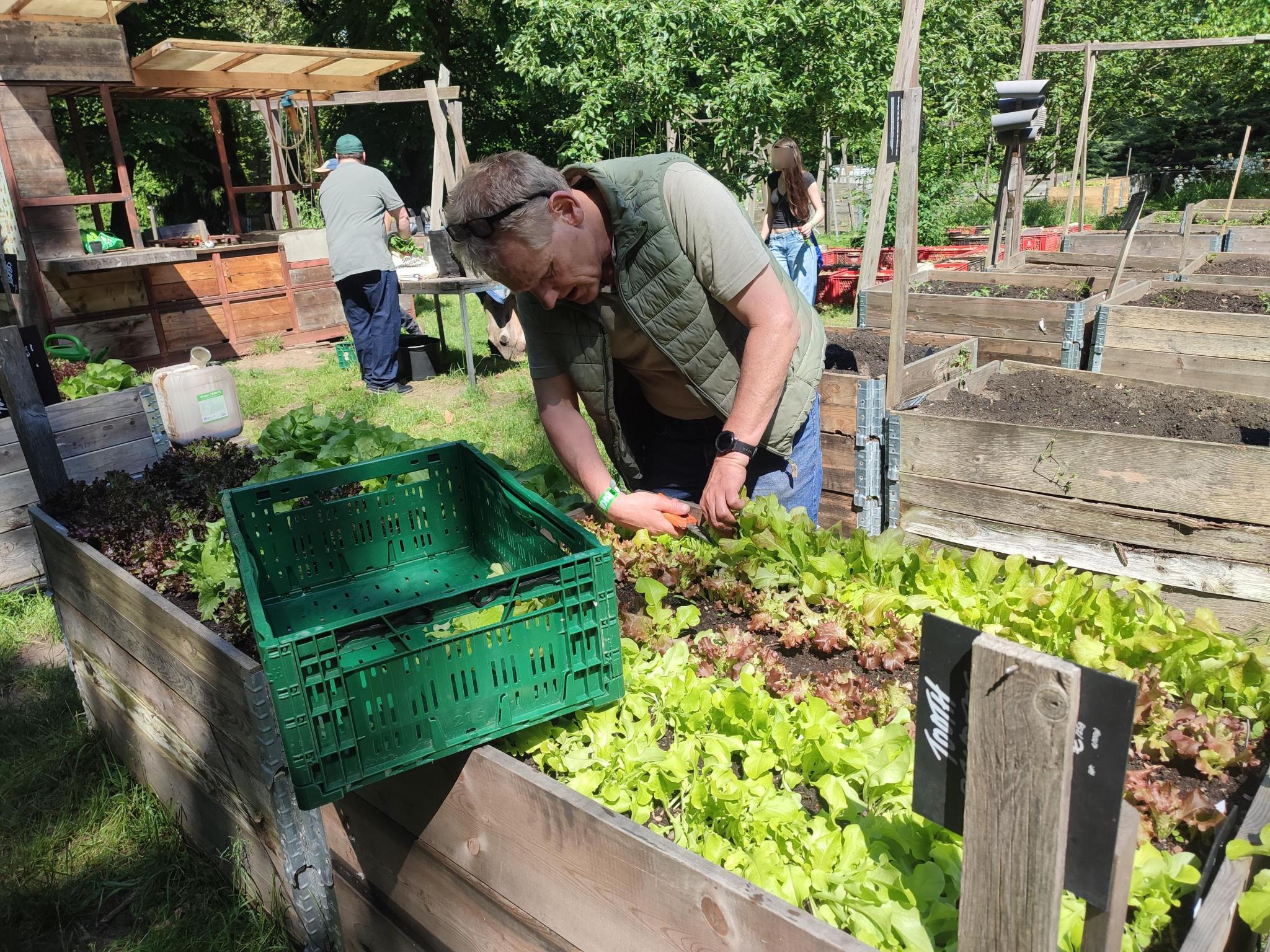
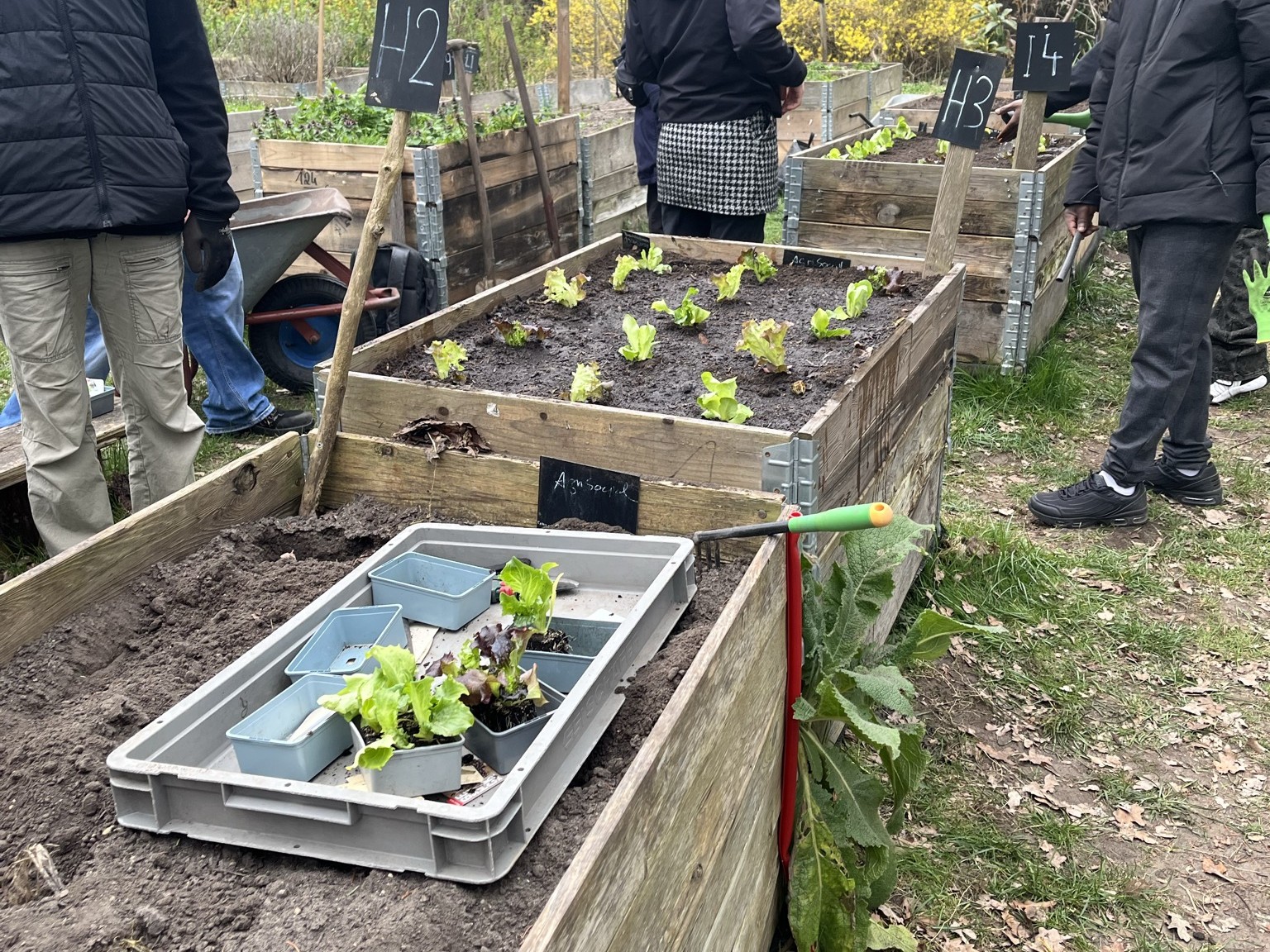
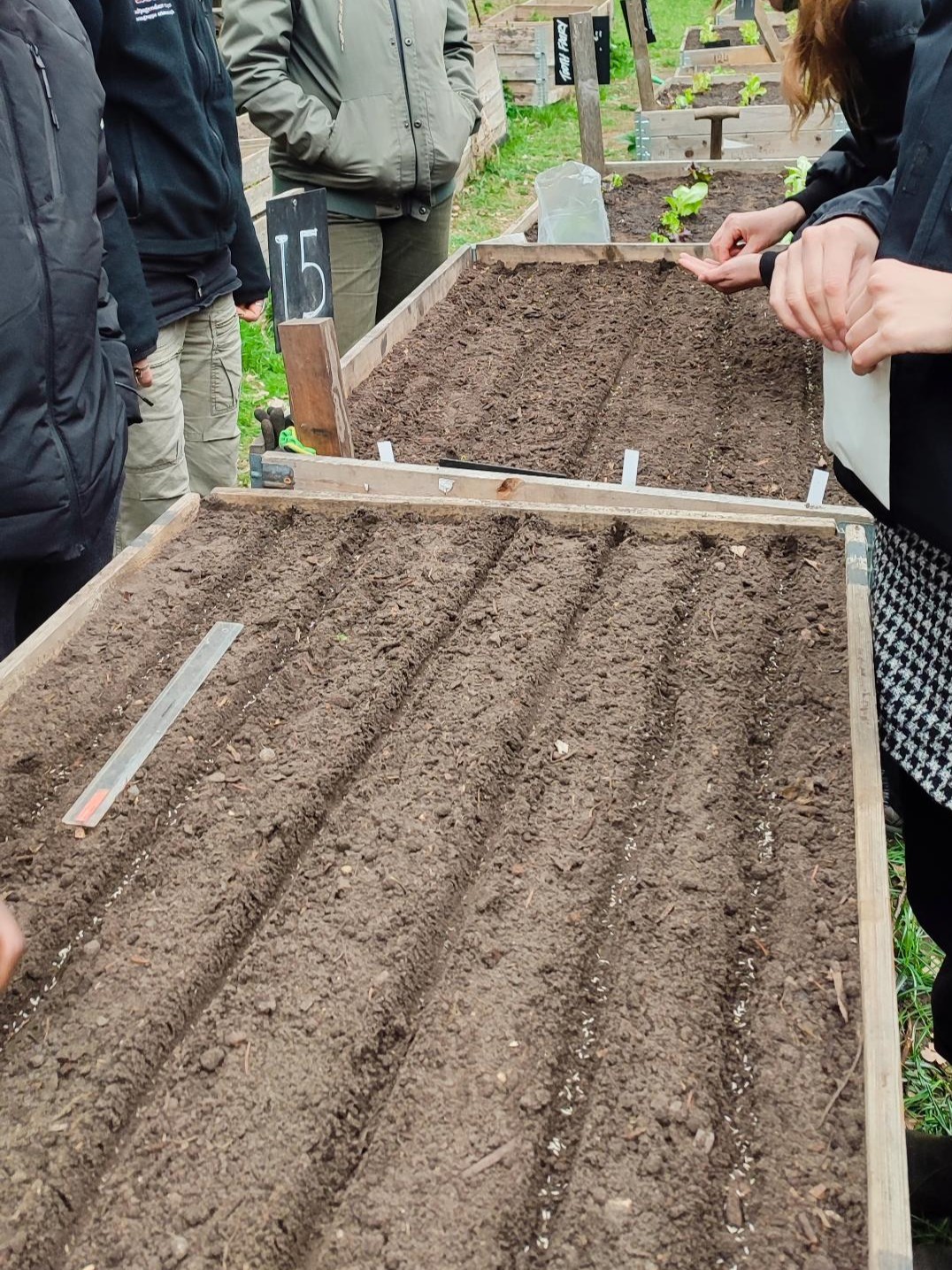
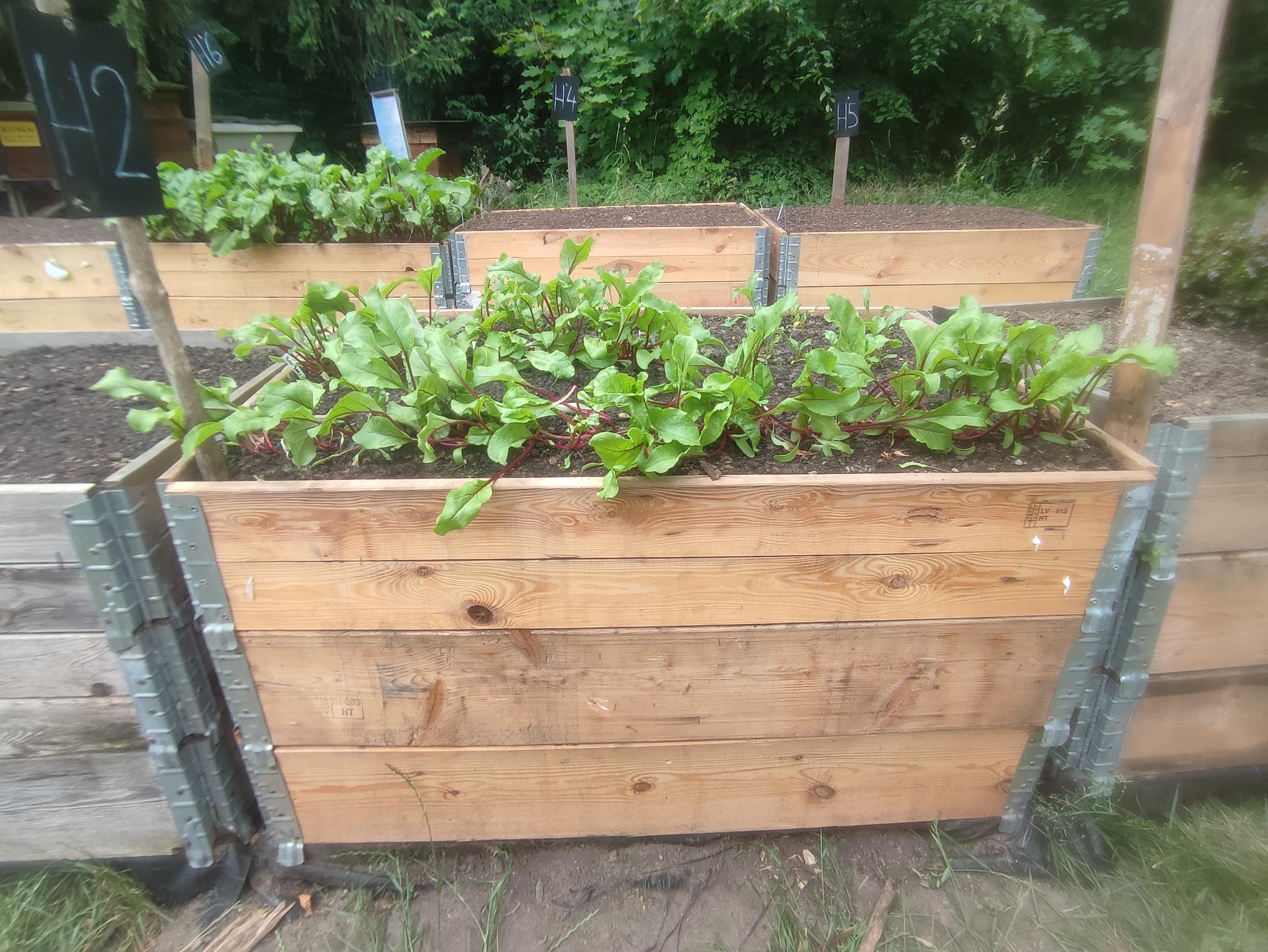
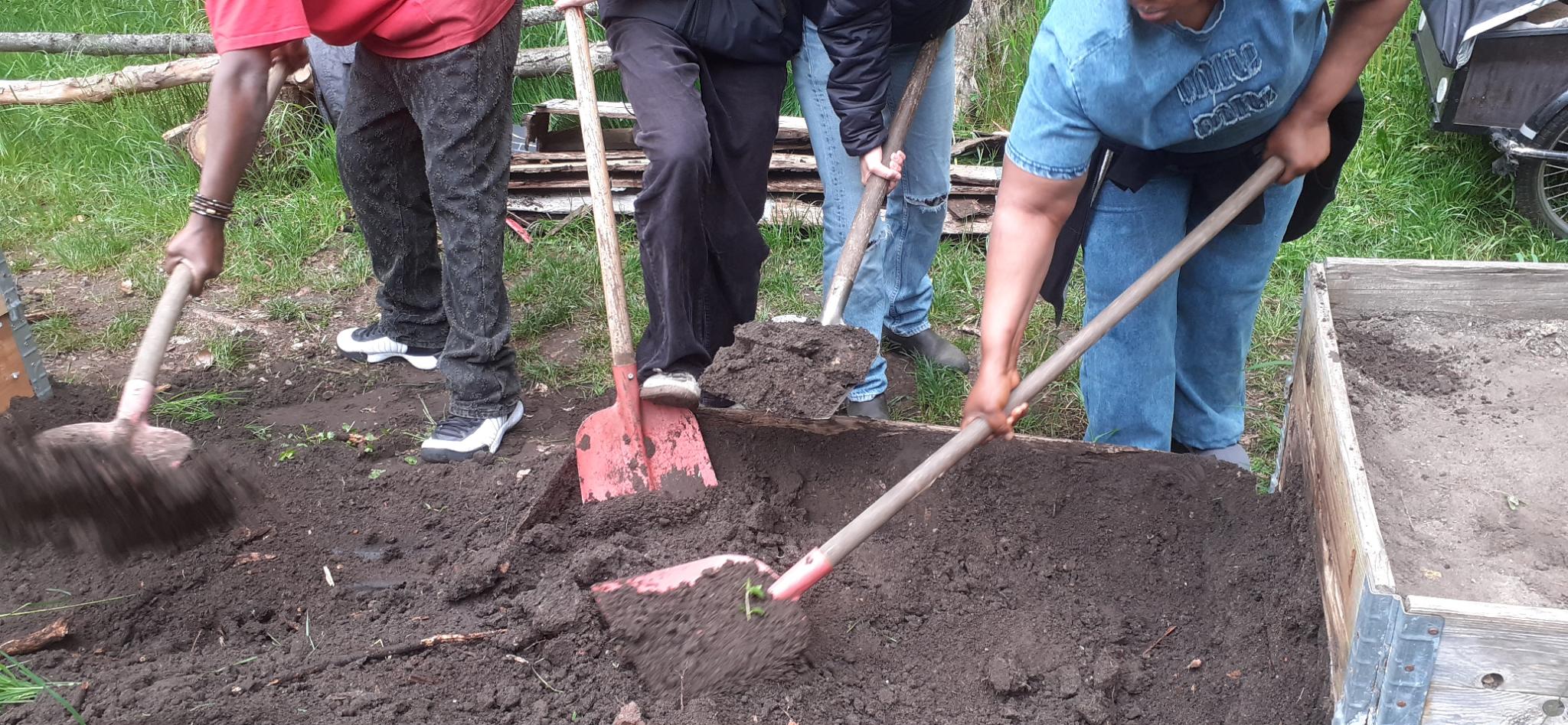
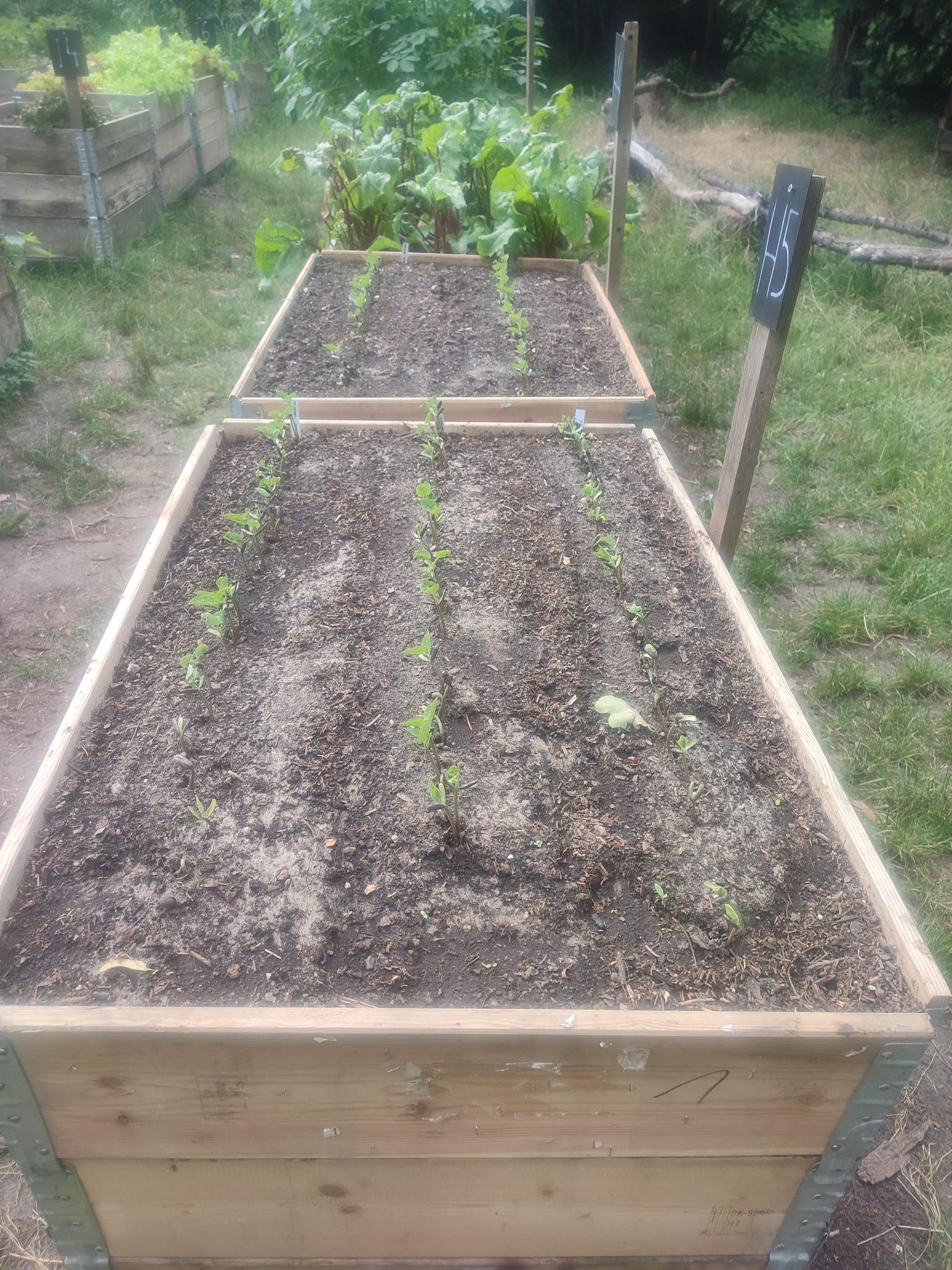
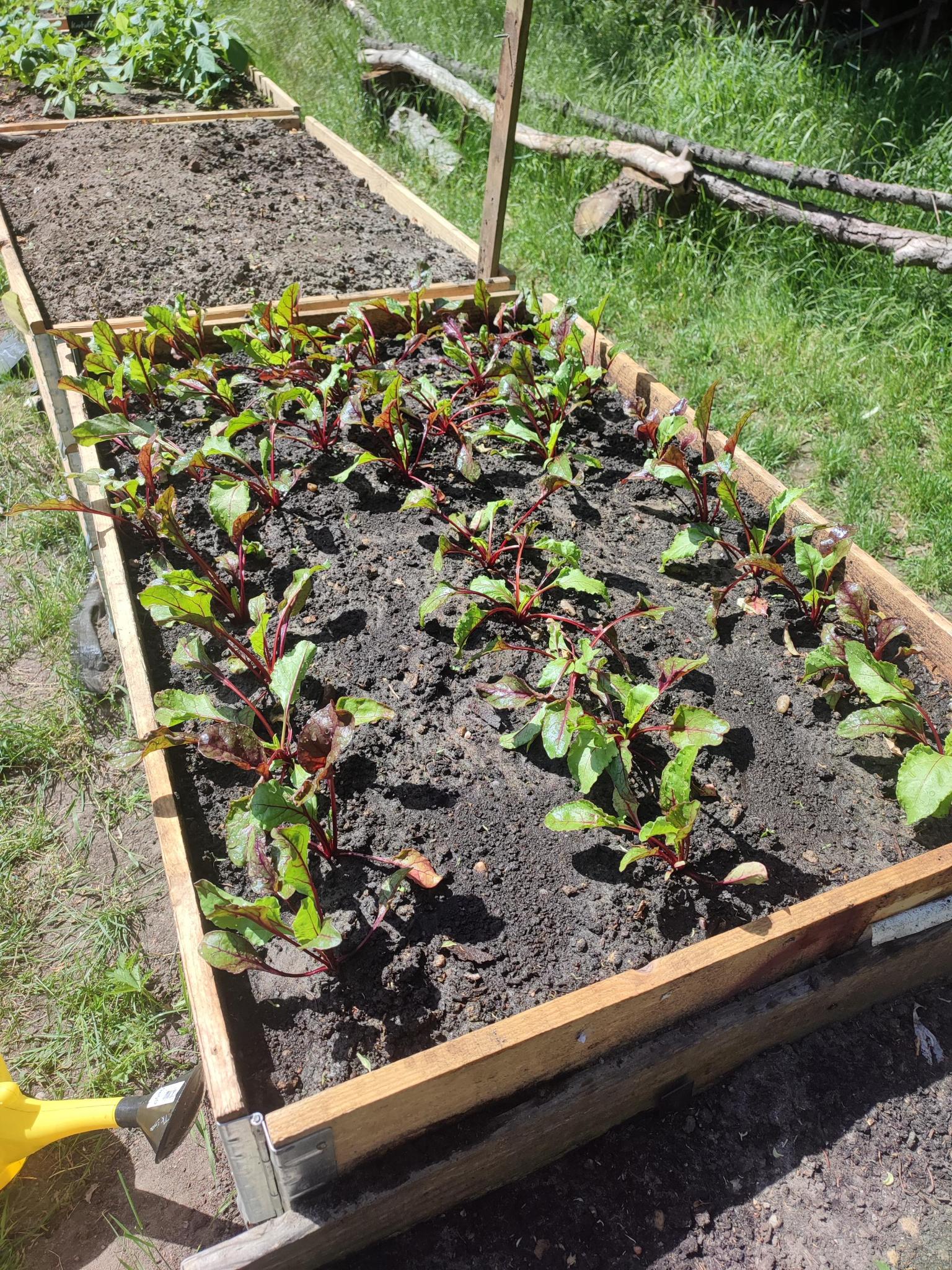
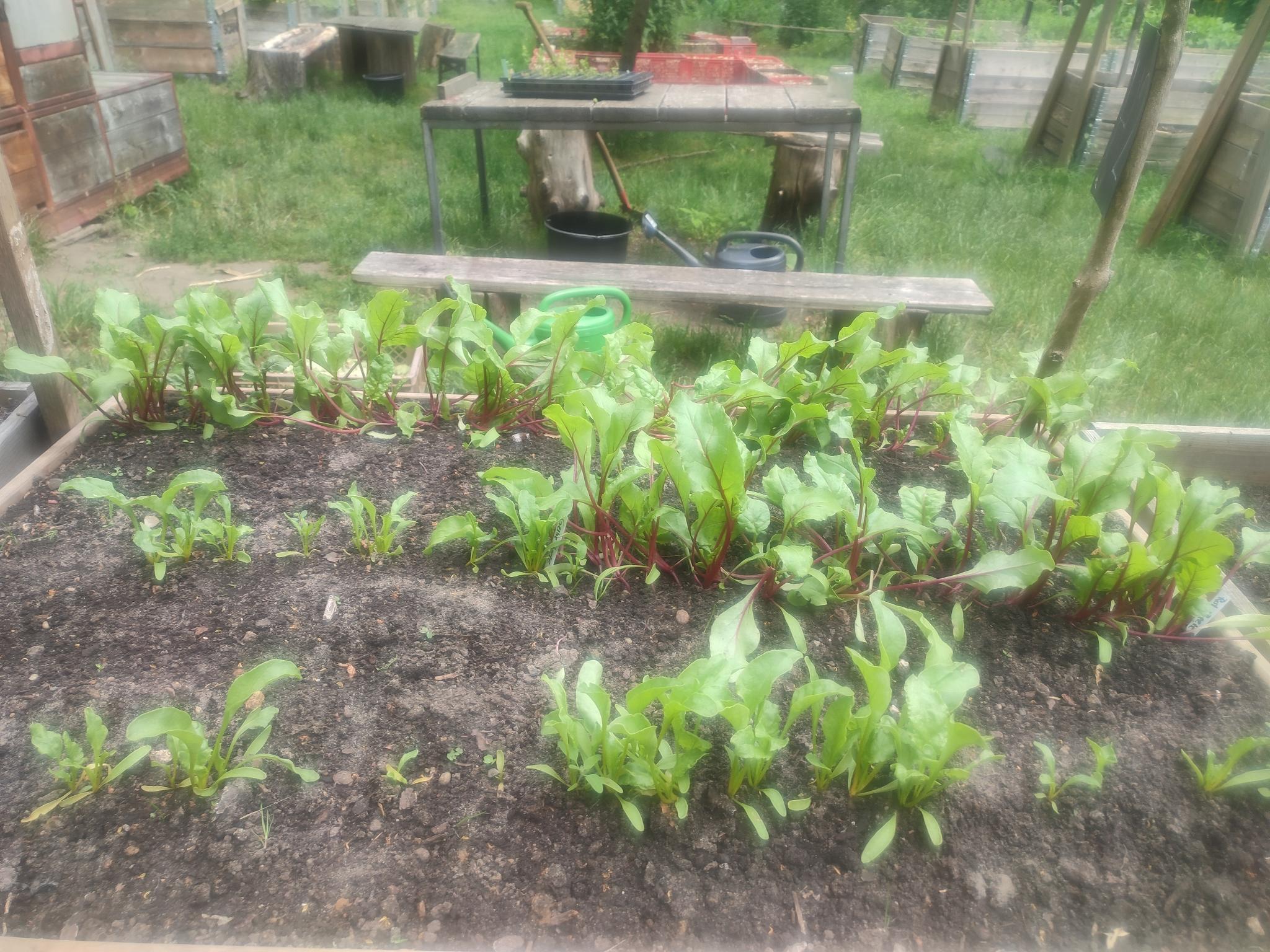
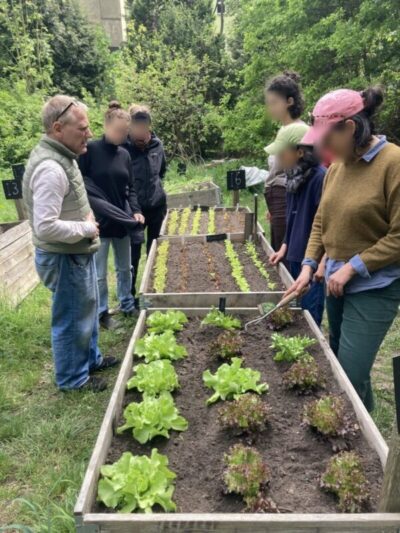
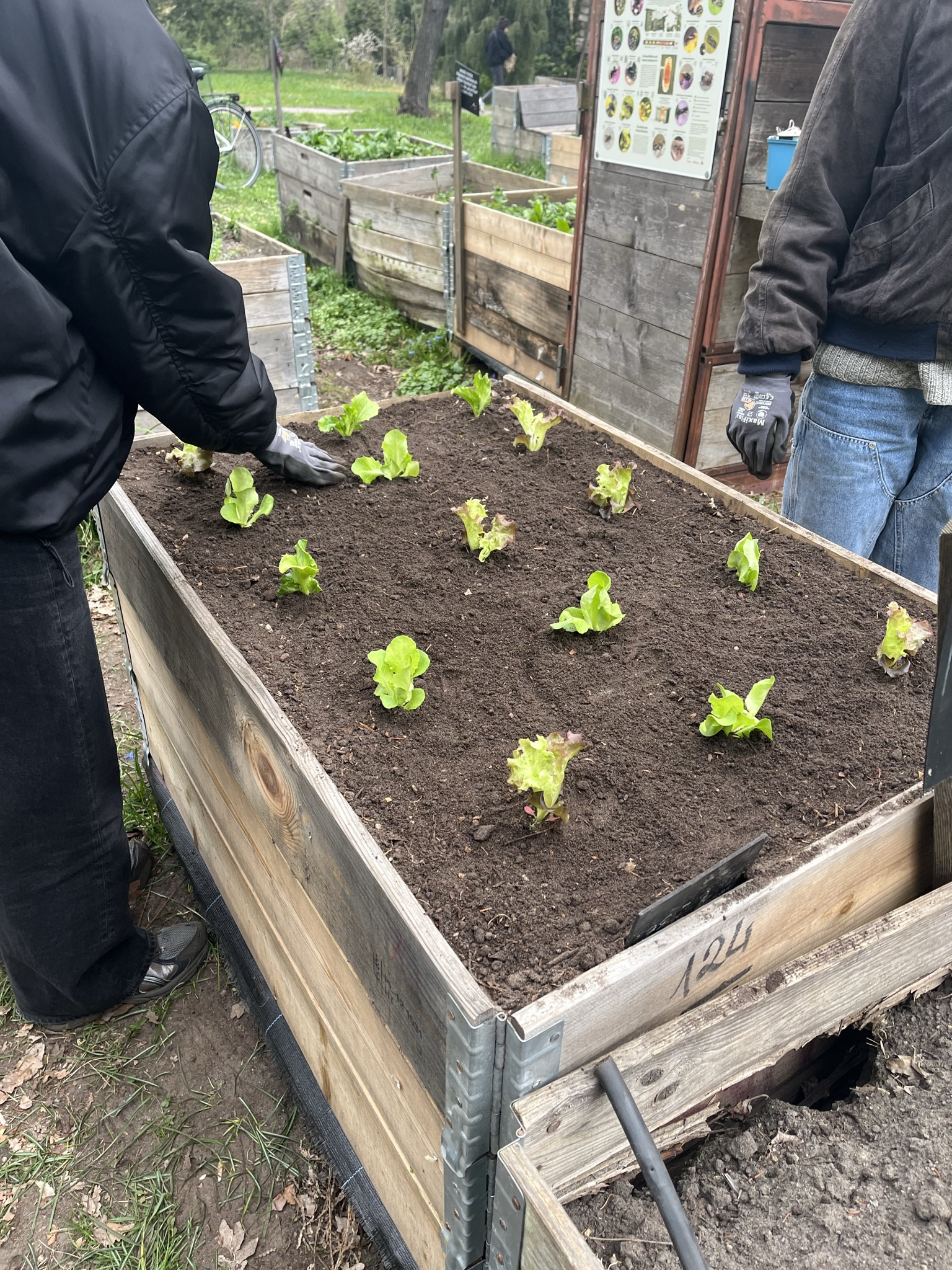
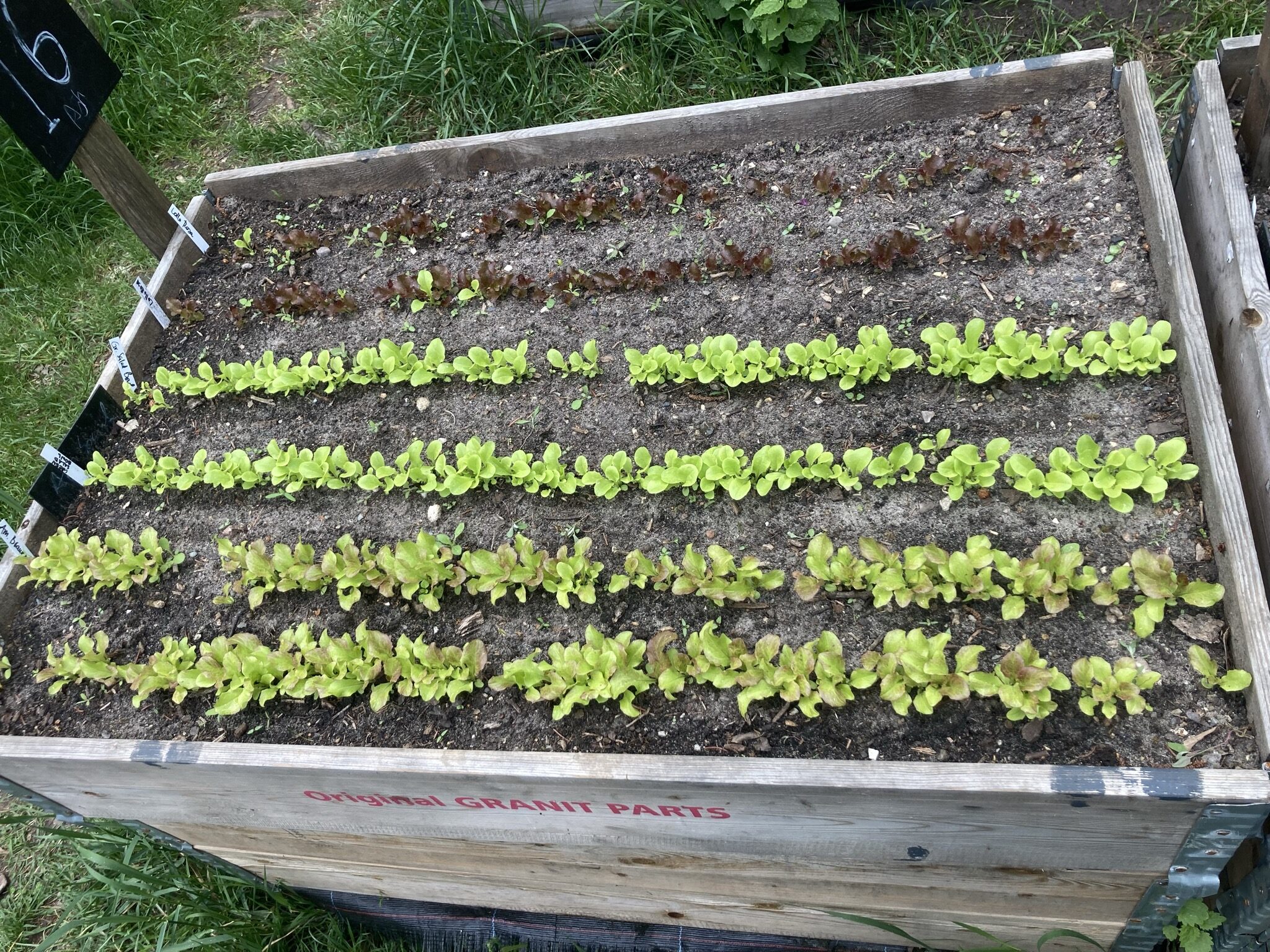
Here at Prinzessinnengarten, program participants have the opportunity to observe and take part in vegetable production in raised beds as well as in the ground on our micro farm. Both are located on decommissioned portions of a cemetery in Berlin’s Neukölln neighborhood.

This teaching experience has reminded me of something I first discovered many years ago on my first farm in Missouri, USA, namely that small-scale organic farming is one of the most challenging but also rewarding professions out there. It makes full use of all our mental and physical faculties. As a farmer I was a naturalist, soil scientist, botanist, ecologist, engineer, laborer, carpenter, plumber, electrician, business person, computer programmer, marketing expert, web designer and more, sometimes all in one day. And through it all I am deeply and meaningfully connected to the Earth and the whole web of life.

During what was probably the first farming conference I ever attended — the National Small Farm Trade Show & Conference in Columbia, MO in 1999 — I recall listening to a very moving keynote address given by Johh Ikerd, professor emeritus of agricultural economics at the University of Missouri. In his address, Mr. Ikerd presented the strong economic and ecological case for small-scale v. industrial agriculture and reminded us that small-scale farming generates a kind of lifestyle dividend no less valuable than the monetary income it provides.

This dividend could include various quality-of-life benefits such as

  • aligning work with personal values,
  • autonomy,
  • purpose,
  • individual and environmental health,
  • living and raising a family in a clean, biologically diverse ecosystem rather than a specialized industrial complex,
  • fostering deep, reciprocal relationships with neighbors and local customers.

Importantly, this dividend, along with the many positive economic externalities1 realized by small-scale agriculture, should be included in a full accounting of a small-scale farm business. I remember feeling deeply inspired and grateful that day and full of anticipation about the new life as organic vegetable farmers my then-partner and I were about embark on.

These reflections and inspirations re-surfaced during the seminars here at Prinzessinnengarten. The proposition I heard in John Ikerd’s lecture 27 years ago still holds today, that small-scale (urban) agriculture can be an inspiring engine of, and a model for, societal transformation and ethical / spiritual realignment in an age of polycrisis. Grateful to still be part of this conversation with the next generation of farmers.

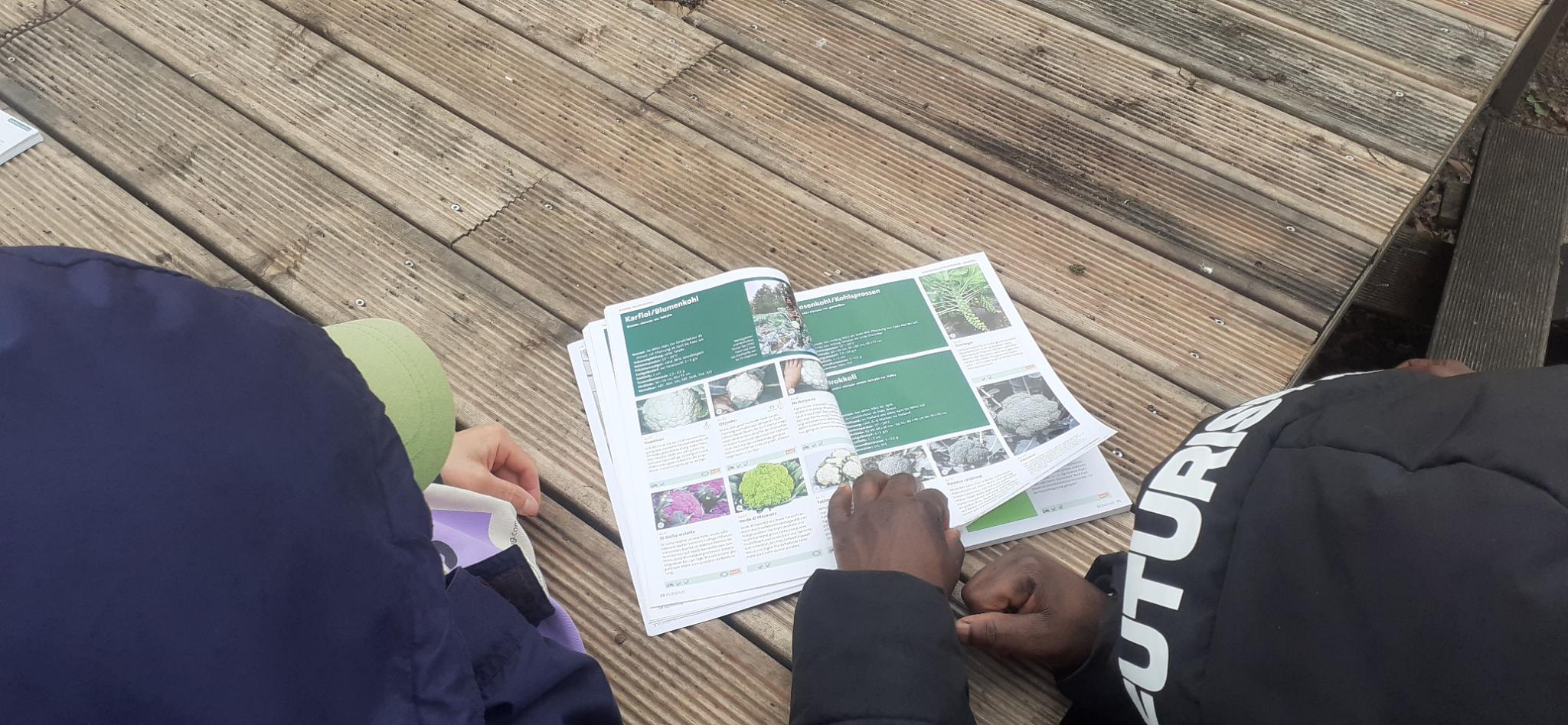
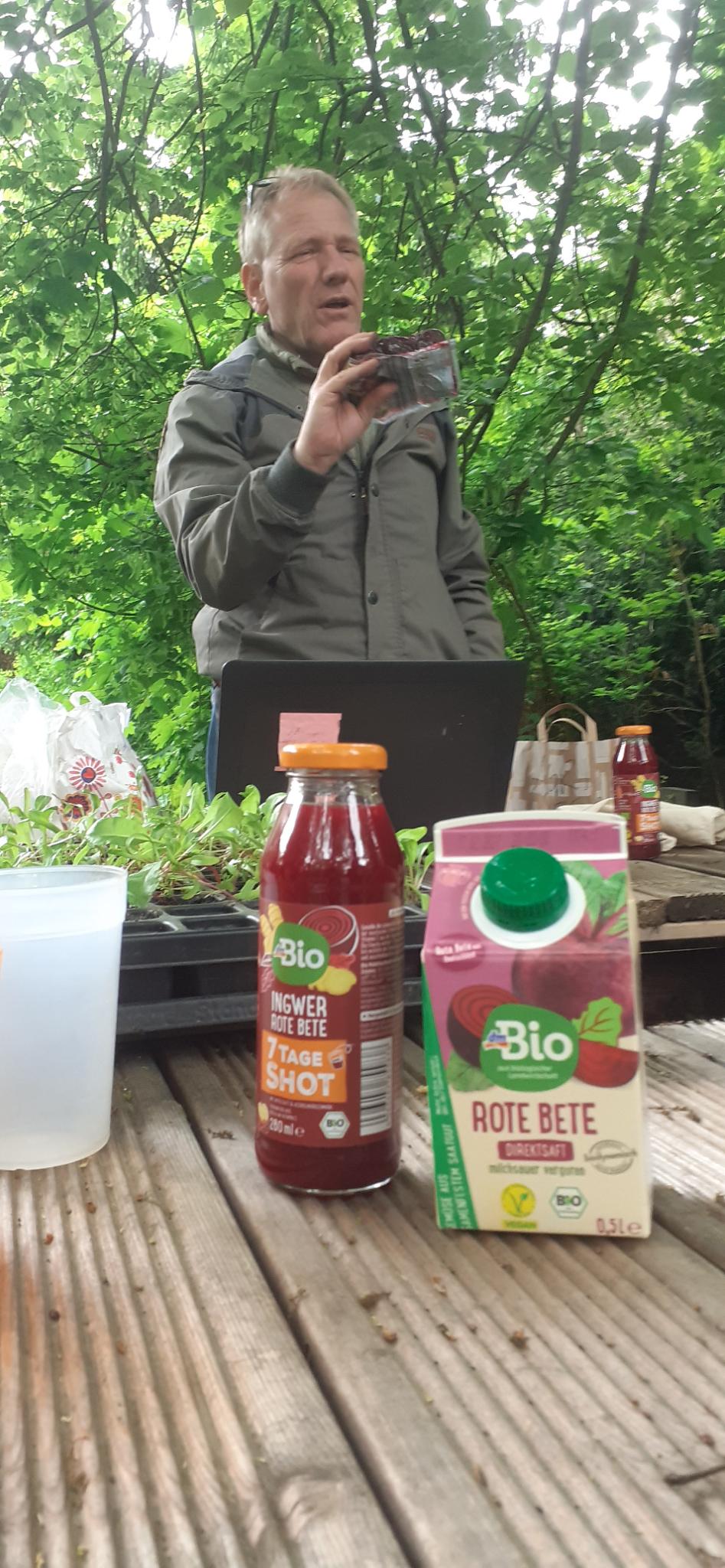
Below are some images of our time and work together. My gratitude goes to all participants, the project team here at Prinzessinnengarten and to the partner institutions abroad.

1 positive externalities in economics are unintended benefits resulting from the production or consumption of a good or service that are not fully reflected in the market price and therefore are not fully realized by the producer but by a third party or society at large.
Seventeen Theses for a Mindful City, Part Four — Designing For and With Mindfulness

DESIGNING FOR AND WITH MINDFULNESS

14. Reducing Urban Clutter
The contemporary city can easily overwhelm us with its sensory stimuli, fast pace, distractions and restlessness. These conditions can actually result in a dulling of our senses and an impoverished life experience in the midst of plenty. Mindful urban design can help address this problem by reducing visual and other clutter in the urban landscape, and city dwellers can use mindfulness practice to recover the sharpness of their senses even in the face of considerable clutter.

15. From Individualistic Striving to Collective Thriving
Cities are but a reflection of their inhabitants’ egoic tendencies. Looking up at the average skyline of an American city we see buildings competing with each other for height, attention and luster, while on the ground we witness the privatization of public spaces in opulent shopping malls and glitzy entertainment districts. Narcissism, domination and exclusion are the “dark side” of these eye-catching designs and seductive spaces. Mindfulness can bring about a re-centering in the design and in the observer and redirect our creative focus from individualistic striving to collective thriving.

16. Design for Unconditioned Consciousness
Cities, like all human creations, tend to solicit streams of interpretation in the observer or user. Buildings, roadways and entire neighborhoods are subject to interpretation, to being assigned “meaning” based on their location, design, function or state of repair. In her famous essay “Against Interpretation,” the writer and activist Susan Sontag sums up the toll of this human inclination to interpret when she says: “It is the revenge of the intellect upon the world. To interpret is to impoverish, to deplete the world – in order to set up a shadow world of ‘meanings’… The world, our world, is depleted, impoverished enough. Away with all duplicates of it, until we again experience more immediately what we have.” Sontag concludes her essay with an emphatic appeal: “What is important now is to recover our senses. We must learn to see more, to hear more, to feel more.” (1) As urban designers we can help this process along, for example, by including as many natural elements in our cities as possible – elements that have their origin outside human thought. Trees, rivers, creeks, rocks, sunlight and wildlife open in the observer the door to a consciousness that is less conditioned by interpretation and judgment. They encourage a state of simple, alert sensing and point the way to an intuitive knowing that is separate from rational thought but all too often buried by it.

17. Healing the City in the Here and Now
Healing our cities from their current dis-ease isn’t something that always requires designers, planners, committees, budgets, construction or a wrecking ball. Sometimes all that is needed is a fresh look through an awakened heart to bestow a new sheen or a glow of sacredness onto our surroundings. Take a moment to look with eyes of understanding at the overgrown corner lot, the abandoned building, the ugly freeway or the aging strip mall. Silently say “thank you for your (past) service,” or “I embrace my city wholly as it goes through many changes.” This practice of urban meditation can take many forms and can be performed alone or with others almost anywhere. The simple act of pausing, taking a conscious breath and shining the light of mindfulness onto our city will produce a miracle of healing right away and at no cost at all.

(1) Against Interpretation. Farrar, Straus & Giroux. 1966.

Seventeen Theses for a Mindful City, Part Three — Sustainability

SUSTAINABILITY

9. Listening Deeply to Mother Nature
Our success in creating a more ecological city hinges in part on our ability to discover the true abundance of our landscape and creatively design around it. Instead of iterating cookie-cutter urban development schemes throughout the world, urban planners need to learn to listen deeply and mindfully to the landscape and build settlements in full awareness and respect of the ecological context. How can mindfulness help? According to former U.C. Berkeley landscape architect and sociologist Randy Hester, “patterns of use that lead to resiliency are often discovered through a kind of meditative process whereby the landscape reveals its secrets to the observer… Is such time-consuming site meditation necessary? Plain and simple, yes.” (1)

10. Making the Strange Familiar
Sustainable urban design requires us to close material cycles, eliminate waste and make waste our treasure. Again, Randy Hester challenges us to depart from conventional thinking in a big way and teaches us to “consider the absurd” and “make the strange familiar and the familiar strange.” (1) Mindfulness practice supports the emergence of our “beginner’s mind,” by asking us to be present with all that is while suspending judgment. It is a powerful practice in support of the creative process leading to sustainability.

11. Seeing Relationships
Usually rooted in reductionist thinking, common “technological fixes” to problems like traffic congestion, urban sprawl or police brutality will rarely produce sustainable solutions. Complex systems like cities are more than the sum of their parts and have significant emergent properties based on the multitude of relationships they contain. Mindfulness practice helps us maintain an elevated vista from which these relationships and their interactions become visible.

12. Shifting from Having to Being
Modern cities are reflections of our intense materialism. Skyscrapers, shopping malls, luxury hotels, entertainment districts, large suburban lots, freeways and car culture all tell the story of a people who spend a majority of their lives in what psychoanalyst Erich Fromm has called “having mode.” (2) Yet, making cities ecologically sustainable will likely require that all of us spend much more time in “being mode,” a state of mindful alertness to the present moment where our true needs become apparent to us and our appetite to possess and consume gradually subsides.

13. Going Deeper: The Problem of Thought
David Bohm, physicist and creator of the “Bohm Dialogue” (a forum designed to help groups of people reach a deeper mutual understanding and then act coherently using their newly-found co-intelligence), reminds us that we need to address the role thought plays in the sustainability problem. According to Bohm, our thought is fragmented and lacks coherence, chopping up reality into bits. “The ecological problem is due to thought,” says Bohm, “thought is doing all the activities which make the problem and then [thought] does another set of activities to try to overcome [the problem].” (3) Mindfulness practice helps quiet the thought-filled mind and creates space for a more intuitive, holistic knowing to arise. It is, therefore, a promising practice to address the problem of fragmented thought as outlined by Bohm.

(1) Design for Ecological Democracy. MIT Press. 2006.

(2) To Have or To Be. Harper Row. 1976.

(3) Wholeness and Fragmentation. 1990. https://www.youtube.com/watch?v=hfHzfonAgX4

CLICK FOR PART FOUR: DESIGNING FOR AND WITH MINDFULNESS

Seventeen Theses for A Mindful City, Part Two — Connecting Mindfully

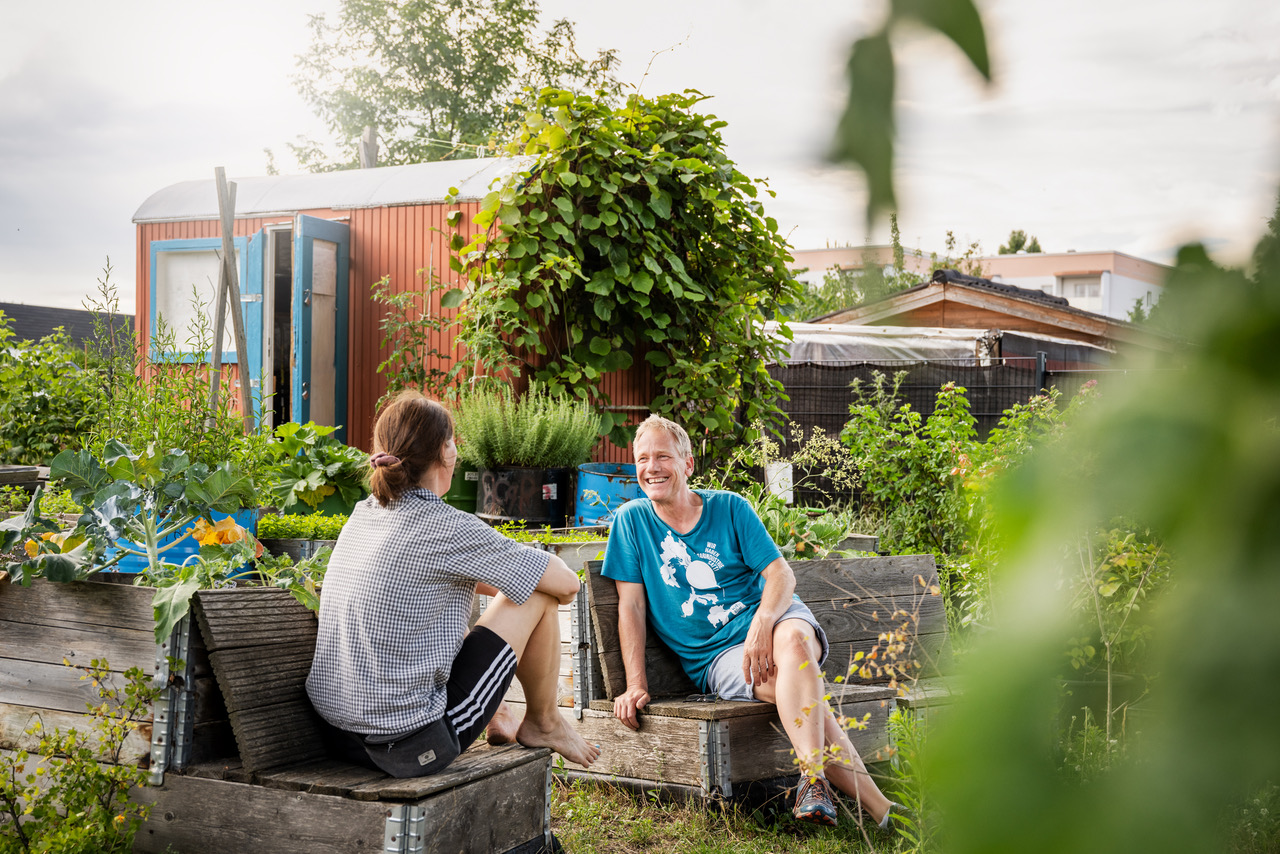
(Photo by Dagmar Schwelle Fotografie. Used with permission.)

CONNECTING MINDFULLY

7. Listening Across Painful Divisions
The city of the early 21. Century is a showplace of increasingly vocal divisions along ethnicity, race, class, religion, sexual orientation and national origin. On the other hand, empathetic listening and dialog about longstanding grievances, divisions of pain, injustice and suspicion are rare and virtually non-existent in public forums. Mindfulness practice can help us recognize that, in the words of Martin Luther King, “we are tied together in the single garment of destiny, caught in an inescapable network of mutuality.” (1) We develop the capacity to listen deeply without reacting and to hold space in our hearts for the pain, anger or frustration of another. Then we may experience our common humanity in a direct way, not just as a concept or words on a page. This experience is very much needed in the contested, tension-filled urban communities of our time.

8. Choosing “A Thousand Conversations”
Mindfulness is not only helpful in healing longstanding grievances, pain or injustices but it can also help us deal more patiently with each other’s every-day concerns. If we regularly engage in the practice of sharing from our heart in small groups with our colleagues, clients and constituents, we will build trust and learn to resist the urge of jumping into action just to be seen as “doing something” or to cover up a painful feeling. Planning professor Leonie Sandercock writes that one dimension of spiritual planning practice is “an extraordinary openness, a willingness to engage in a thousand conversations, and an ability to be fully present in those conversations, a mindful awareness rather than the usual bureaucrats’ way of pretending to listen, going through the motions.” (2)

(1) Letter from a Birmingham Jail.

(2) Spirituality and the Urban Professions: The Paradox at the Heart of Planning. Planning Theory and Practice, March 2006.

CLICK FOR PART THREE: SUSTAINABILITY

Seventeen Theses for A Mindful City, Part One — Solving the City’s Problems

SOLVING THE CITY’S PROBLEMS

1. Recognizing Abundance
The many decisions by countless decision makers that give shape to our cities are almost always taken in a restrictive, politicized and competitive atmosphere that over-emphasizes strategic advantage, conflict and scarcity. Quieting the mind through mindfulness practice can bring an energy of calm, ease, abundance, cooperation and joy into the decision-making process.

2. Forces that Don’t Meet the Eye
Planners, legislators, community leaders and citizens regularly define and attempt to solve problems without taking in all the available data. As systems scientist Peter Senge writes “in every setting from working teams to organizations to larger social systems there is much more going on than meets the eye… We do not attend to the subtle forces shaping what appears because we are too busy reacting to these forces. We see problems, then ‘download’ our established mental models to both define the problems and come up with solutions”. (1) By practicing mindfulness, we can reduce our reliance on established mental models and tune into the unseen and unspoken forces of the social field.

3. Language that Connects
Jargon and technical language are a common cause of disconnect between different stakeholders. They tend to block a heart-to-heart connection and reinforce feelings of inequality in the group. University of British Columbia Planning Professor Leonie Sandercock asks the question: “Why do we have all these sterile terms for describing what it is that we do? We talk about the rational comprehensive approach, the communicative approach, the political economy approach, the institutional approach, the modernist, the postmodern, making ourselves as a profession incomprehensible to those who live, love, and struggle in cities. Perhaps we need a different way of talking about planning, at the heart of which is the human spirit in its everyday struggle to make meaning and create a better world.” (2) Mindfully tending to our inner experience with openness and acceptance can help us locate a deeper, heartfelt language to grace our professional dialog.

4. Operating at Higher Levels of Wisdom
Many persistent problems facing urban communities are what the economist E.F. Schumacher has called “divergent problems,” i.e., problems that cannot be solved by rational means alone because well-meaning people can disagree on what constitutes a “good solution.” Divergent problems pop up regularly in transportation design, economic development, housing policy, law enforcement, and environmental justice. Ecologist David Orr writes that such problems “can be resolved only by higher methods of wisdom, love, compassion, understanding and empathy.” (3) Mindfulness practice is a powerful means for individuals and communities to access such higher methods and transcend habitual ways of looking at the world.

5. Coherence and Minimizing Unintended Results
Mindful exchange among community members is characterized by deep listening and deepening understanding. It gradually allows a group’s collective intelligence to emerge and leads to a more coherent approach to reality. In the words of quantum physicist and social thinker David Bohm, “if we can have a coherent approach to reality, then reality will respond coherently to us… we will produce the results we intend rather than the results we don’t intend.” (4)

6. Learning from the Future
MIT Professor Otto Scharmer distinguishes between two types of learning: Learning from the past and learning from the emerging future. According to Scharmer, the latter type is more important in today’s economic and social climate because our fundamental problems, as Albert Einstein has famously observed, cannot be solved from the mindset that created them. To access the not-yet-embodied experience from the future and learn from it, Scharmer proposes a process called “presencing” (from “present” and “sensing”) where we apply mindful non-judging attention in order to create an opening in our minds, hearts and wills. “This holistic opening,” says Scharmer, “constitutes a shift in awareness that allows us to learn from the future as it emerges and to realize that future in the world.” (5)

(1) From the Foreword to Theory U–Leading from the Future as it Emerges by Otto Scharmer. Berrett Koehler Publishers. 2009.

(2) Spirituality and the Urban Professions: The Paradox at the Heart of Planning. Planning Theory and Practice, March 2006.

(3) Four Challenges of Sustainability. Conservation Biology, December 2002.

(4) Wholeness and Fragmentation. 1990. https://www.youtube.com/watch?v=hfHzfonAgX4

(5) Otto Scharmer http://www.ottoscharmer.com/publications/books

CLICK FOR PART TWO: CONNECTING MINDFULLY